
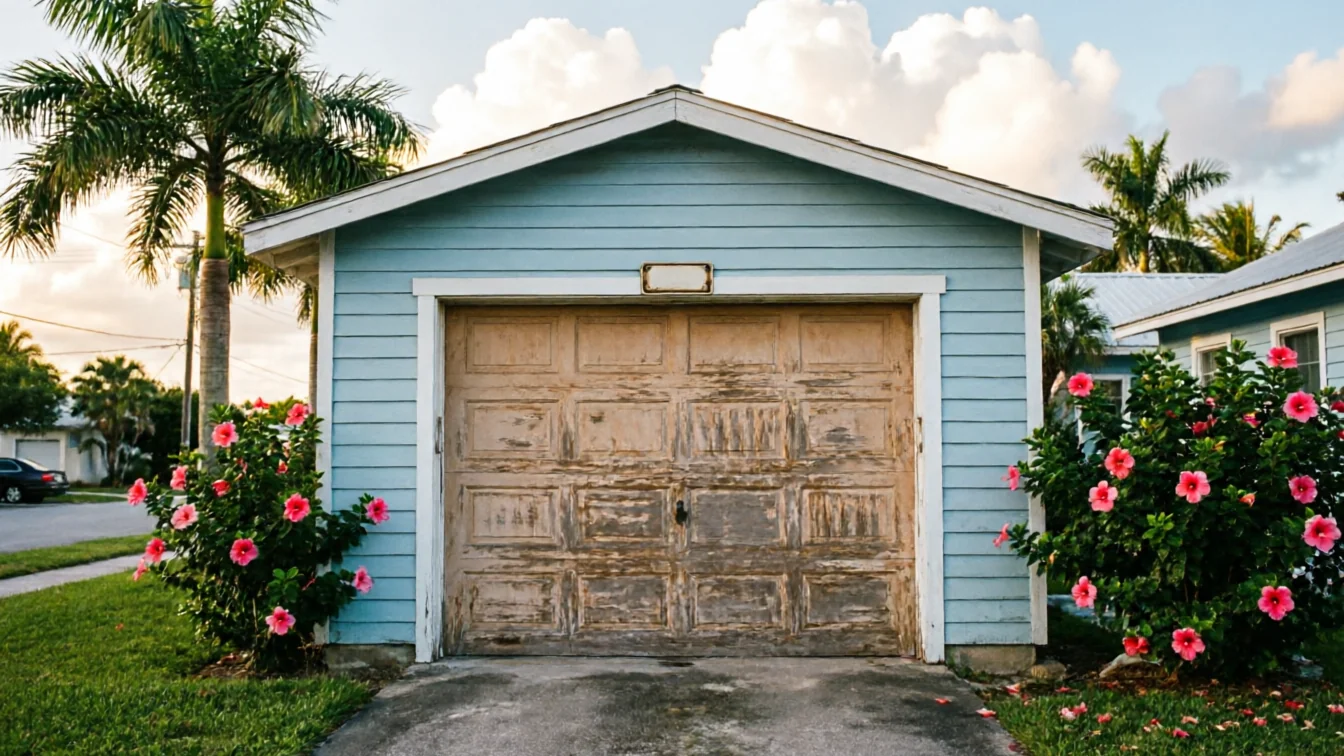
What an Older Door Is Worth Fixing in Pompano Beach
Pompano Beach homes mostly date to the 1960s-70s boom years, with median construction around 1977.
Read moreBlogPompano Beach, FL · 4 min read
Most Pompano Beach homes went up between 1962 and 2005, median 1977, before insulation rules caught up with garage doors. Here's what that means for your door today.
Local detail
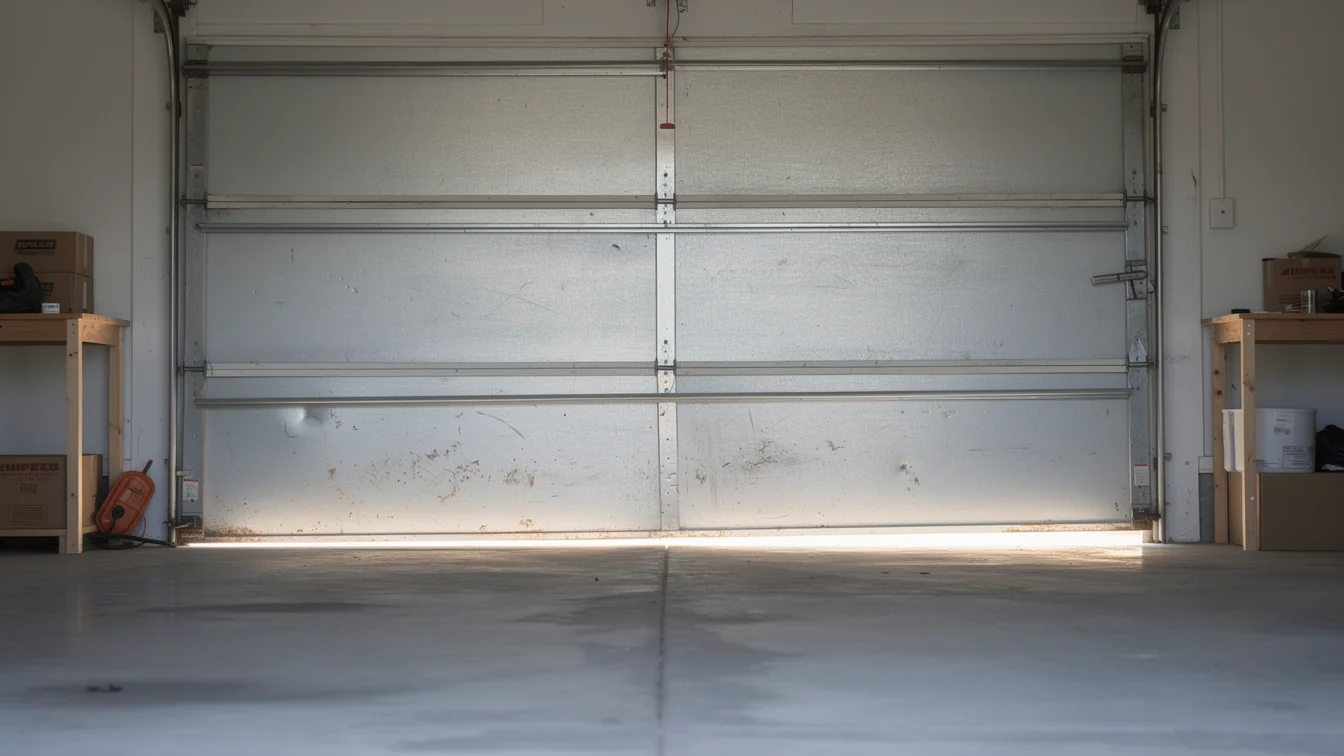
Pompano Beach's housing stock mostly went up between 1962 and 2005, with the median build year sitting at 1977. That matters for garage doors more than people think. A door hung in 1977 went in long before insulation requirements got written into residential codes the way they are now. The panel is a single layer of steel or aluminum, no foam core, no thermal break at the frame. It was never meant to do much more than keep rain and raccoons out.
Add in the mild temperate climate here and the door doesn't fail from freeze-thaw cracking the way it might up north. What it does instead is slowly give up at the seams - the weatherstripping dries out, the bottom seal flattens, and the panel itself can oil-can or dent from decades of sun exposure without ever being replaced. Across the 21 named areas that make up this stretch of 1960s-70s stock, that's the pattern we see on repeat calls: the door still opens and closes fine, but it was never built to the standard a 2005-era door would meet, and nobody's swapped it out since.
The area
A lot of owners leave these original doors alone, and for a mild climate like this one, that's not automatically a mistake. You're not fighting ice dams or deep freeze cycles that would crack an un-insulated panel. If the door still tracks straight, the springs are sound, and the garage isn't doubling as a living space, an old single-layer door can keep working for years past when you'd expect.
Where it stops making sense is when the garage sits next to a bedroom or laundry room, or when the household is trying to keep the AC bill down in a home built in 1977 with equally dated ductwork. At that point the door is the weak link in the envelope, not because it's broken, but because it was never insulated to begin with. We won't tell you to replace a door that's doing its job just because it's old - that's a call based on how the garage gets used, not a blanket rule.
What we find
On a house from the 1962-2005 build window, what actually happens with age isn't dramatic. Steel panels installed before insulation standards tightened don't have a polystyrene or polyurethane core, so they flex. Over enough summers in a mild but humid coastal climate, that flex plus sun exposure breaks down the factory finish and the seal strip at the base dries and cracks faster than it would on an insulated door, where the core adds rigidity.
The other thing going on is hardware mismatch. A door from 1977 often still runs original tracks and a spring system sized for that lighter, non-insulated panel. If someone upgraded just the opener over the years but left the door and springs original, the balance can be slightly off - not dangerous, just working harder than it should. None of this is specific to one block of Pompano Beach; it shows up anywhere in the service area's 1960s-70s housing, which is most of it.
How we work
Start with the bottom seal - on an original door it's usually the first thing to go, and it's cheap to replace on its own without touching the panel. Next, run a hand along the inside of the door on a hot afternoon; if it's noticeably warmer than the insulated newer doors you'd find in homes built after 2005, that confirms it's an original non-insulated panel.
Check the springs next. A door built for a lighter uninsulated panel shouldn't be fighting a heavier retrofit panel if anyone's swapped parts over the years - mismatched weight is one of the more common reasons we get called for a spring that let go early. Finally, look at the track mounting points for rust or loosening; in this climate it's humidity and salt air doing the work, not freeze cycles, so corrosion at the bolts is the thing to catch before it becomes a bent track. We don't recommend replacing a sound door just because it's original - if the panel's straight and the hardware checks out, it can keep going.
Questions
Not necessarily. Age alone doesn't mean failure, especially in a mild climate like Pompano Beach's. What matters is whether the panel still tracks straight, the seals aren't cracked through, and the springs match the door's weight. A 1970s door that's been maintained can still be sound; one that's been ignored usually shows it at the bottom seal first.
If your house dates to the 1962-2005 build window common across this area, there's a good chance your garage door is an original single-layer panel with no insulated core. Those doors do little to block heat, which is why the garage runs hotter than rooms built with later insulation standards.
Depends on the panel's condition. If it's straight, the hardware is sound, and it's just thermally weak, an insulated retrofit kit can help. If the panel is also dented, oil-canned, or the seals are long gone, replacement usually makes more sense than layering insulation onto a door that's failing for other reasons too.
Recommendation
More garage door guides for Pompano Beach homeowners.
Pompano Beach homes mostly date to the 1960s-70s boom years, with median construction around 1977.
Read more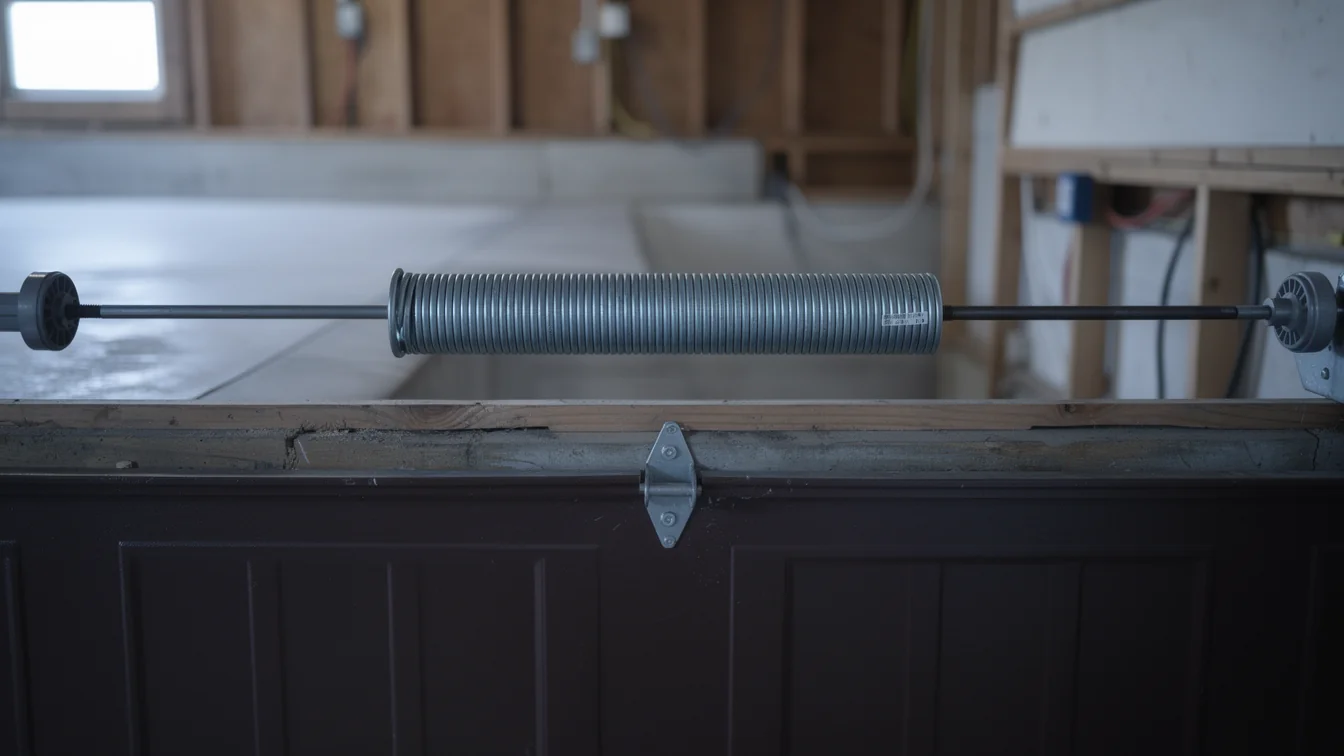
Pompano Beach homes built mostly 1962-2005 carry springs rated for a climate that never gets true cold.
Read more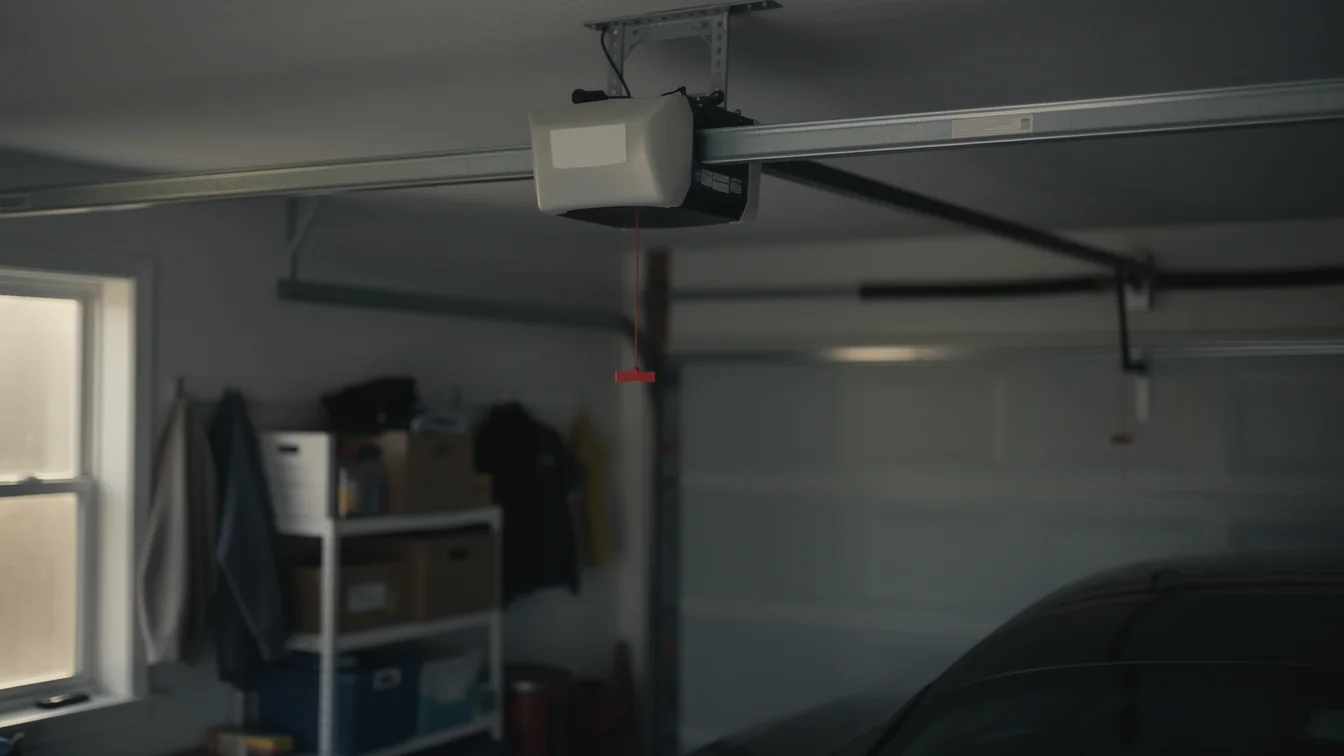
Why openers in Pompano Beach's 1962-2005 housing stock struggle with power cuts, what the mild climate does and doesn't do to them, and what to check before you call.
Read moreReady when you are
Pompano Beach Garage Door Pros repairs and installs garage doors, springs and openers in Pompano Beach, FL and the surrounding area.