
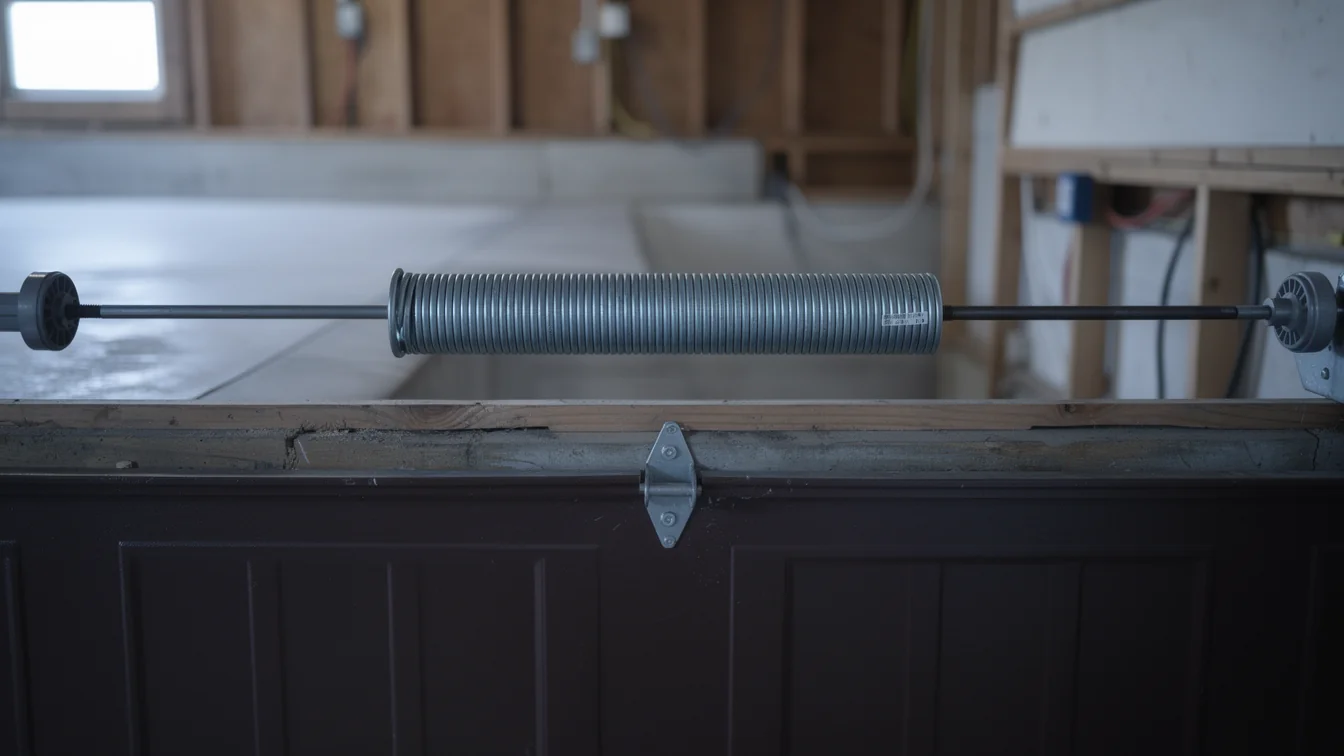
Why Springs Fail Here, and Why Cold Weather Isn't the Reason
Pompano Beach homes built mostly 1962-2005 carry springs rated for a climate that never gets true cold.
Read moreBlogPompano Beach, FL · 4 min read
Most Pompano Beach garages were built in the 1960s-80s boom, and weather seals have hardened in the mild coastal climate, letting draughts and humid air in.
Local detail
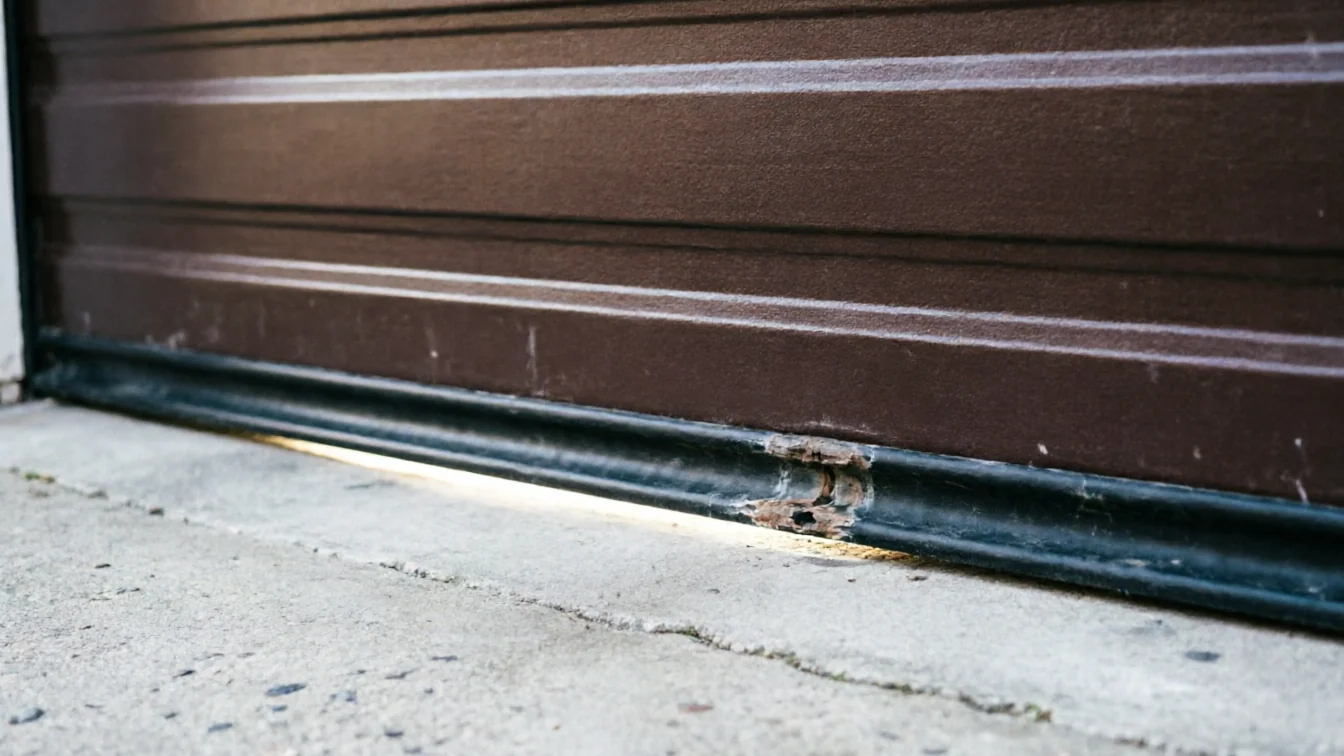
Pompano Beach sits in a mild temperate band, which sounds easy on a garage door until you think about what that actually means day to day. There's no hard freeze to crack rubber the way it does up north, but there's also no real winter break - the seal on your door is out in the heat and sun close to year-round instead of getting a few cold months off. Rubber and vinyl weatherstripping don't fail from cold here; they fail from constant UV and heat cycling, which dries them out and makes them brittle a lot faster than the manufacturer's spec sheet assumes. A seal rated for a four-season climate somewhere else doesn't get the same life down here. That's the trade-off of mild weather - it's gentler, but it's relentless, and a garage door seal that would last ten years in a place with real winters might be cracked and gapping in half that time once it's baked daily on a south-facing garage wall.
The area
A cracked bottom seal or a gap at the top of the door doesn't look like much, so most people leave it. The problem is what gets in through it. Draughts carry outside air straight into the garage, and if you've got anything stored against that wall - boxes, a freezer, tools - that steady airflow does its work slowly over months, not overnight. Water finds the same gaps during rain, and a garage that's a few degrees warmer and damper than it should be is friendlier to pests than one that's sealed tight. None of this is dramatic. It's just a slow leak of comfort and dry storage space that homeowners usually notice only after the floor near the door has been damp for a while. I'll say plainly: a new seal won't fix a door that's out of alignment or riding on a bent track. If the gap is uneven side to side, the seal is a symptom, not the problem, and replacing it alone won't hold.
What we find
A lot of the garage doors around here went up during the area's main building years, 1962 through 2005, with the median house dating to around 1977. Across the twenty-one neighborhoods that make up this stretch of housing, the bulk of the stock is 1960s and 70s construction, which means a lot of original garage doors, original tracks, and in plenty of cases, weatherstripping that's been replaced once if at all since the house was built. Factory seals from that era were never built to handle four or five decades of South Florida sun. The vinyl gets stiff, the bulb seal flattens out and stops making contact with the slab, and the corner seals at the top crack where they fold around the frame. None of that is a defect - it's just what happens to a forty- or fifty-year-old door that's sat in this climate the whole time. The seal is usually the first thing to go, well before the springs, track, or opener show their age.
How we work
Start at the bottom: run your hand along the bottom seal while the door is down and feel for stiff, flat, or cracked sections - it should still have some give. Check the vertical seals on both sides of the door frame for daylight showing through, especially at the corners where they're folded and glued. Look at the top seal where the door meets the header; this one takes the most direct sun on a lot of garages and is often the first to crack. If your door is a sectional with seals between each panel, run a hand along those joints too, since gaps there let draughts through even when the bottom and sides look fine. A quick trick: close the door at night and look for light coming through anywhere around the frame. If you see it, that's where the air's getting in.
Questions
There's no fixed schedule we can state without seeing the door, but seals here tend to show cracking and flattening well before they would in a climate with real winters, simply from year-round heat and sun exposure. If your house dates to the 1960s-80s building years common in this area and the seal has never been replaced, it's worth a look.
Only if the seal itself is the actual gap. If the door is out of alignment or the track is bent, a new seal will still leave an uneven gap on one side. Check for daylight evenly around the whole frame before assuming the seal alone is the fix.
It's the climate, not the material. Pompano Beach sits in a mild temperate band with no hard freeze, but that also means the seal gets near-constant heat and UV exposure instead of a cold season to rest. That steady exposure dries out rubber and vinyl faster than seasonal climates do.
Recommendation
More garage door guides for Pompano Beach homeowners.
Pompano Beach homes built mostly 1962-2005 carry springs rated for a climate that never gets true cold.
Read more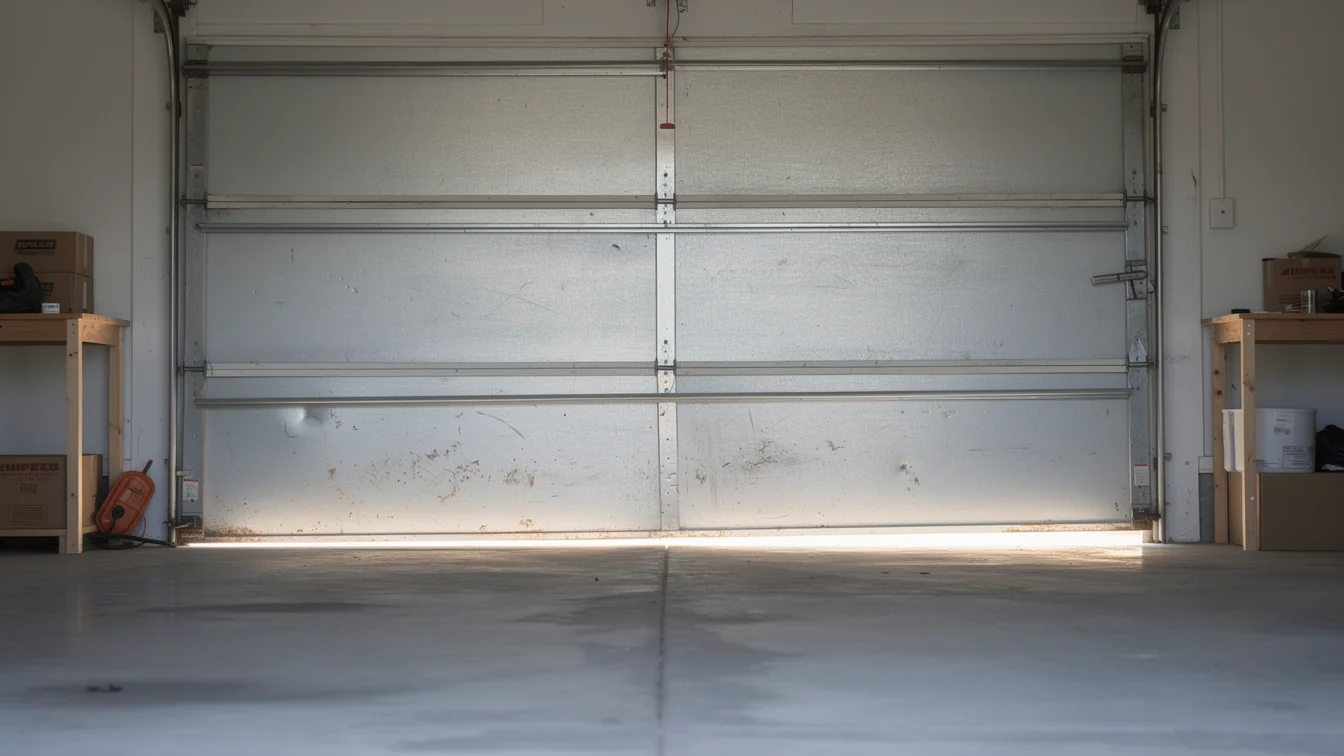
Most Pompano Beach homes went up between 1962 and 2005, median 1977, before insulation rules caught up with garage doors.
Read more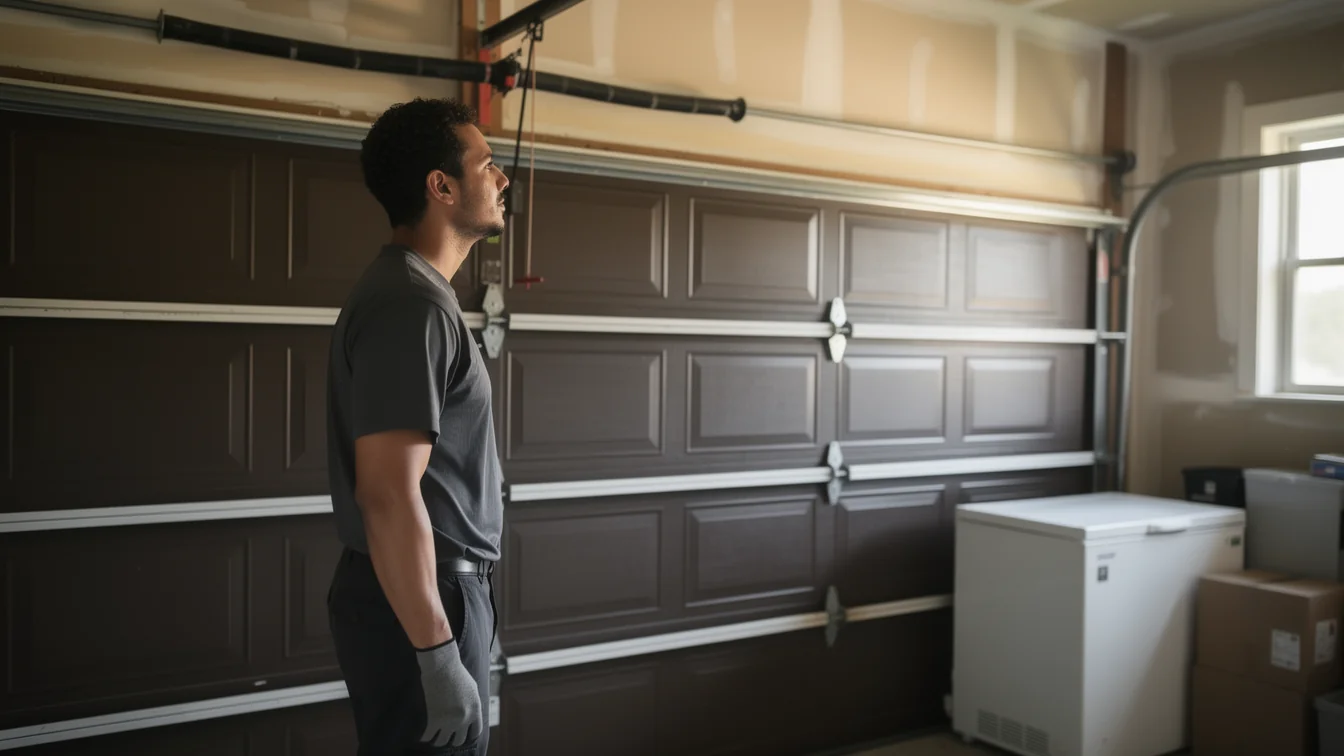
A guide for Pompano Beach homeowners on garage door noises, tied to the area's 1960s-70s housing stock and mild climate, with what to check before calling for a repair.
Read moreReady when you are
Pompano Beach Garage Door Pros repairs and installs garage doors, springs and openers in Pompano Beach, FL and the surrounding area.