
What That Garage Door Noise Is Actually Telling You
A guide for Pompano Beach homeowners on garage door noises, tied to the area's 1960s-70s housing stock and mild climate, with what to check before calling for a repair.
Read moreBlogPompano Beach, FL · 4 min read
Why openers in Pompano Beach's 1962-2005 housing stock struggle with power cuts, what the mild climate does and doesn't do to them, and what to check before you call.
Local detail
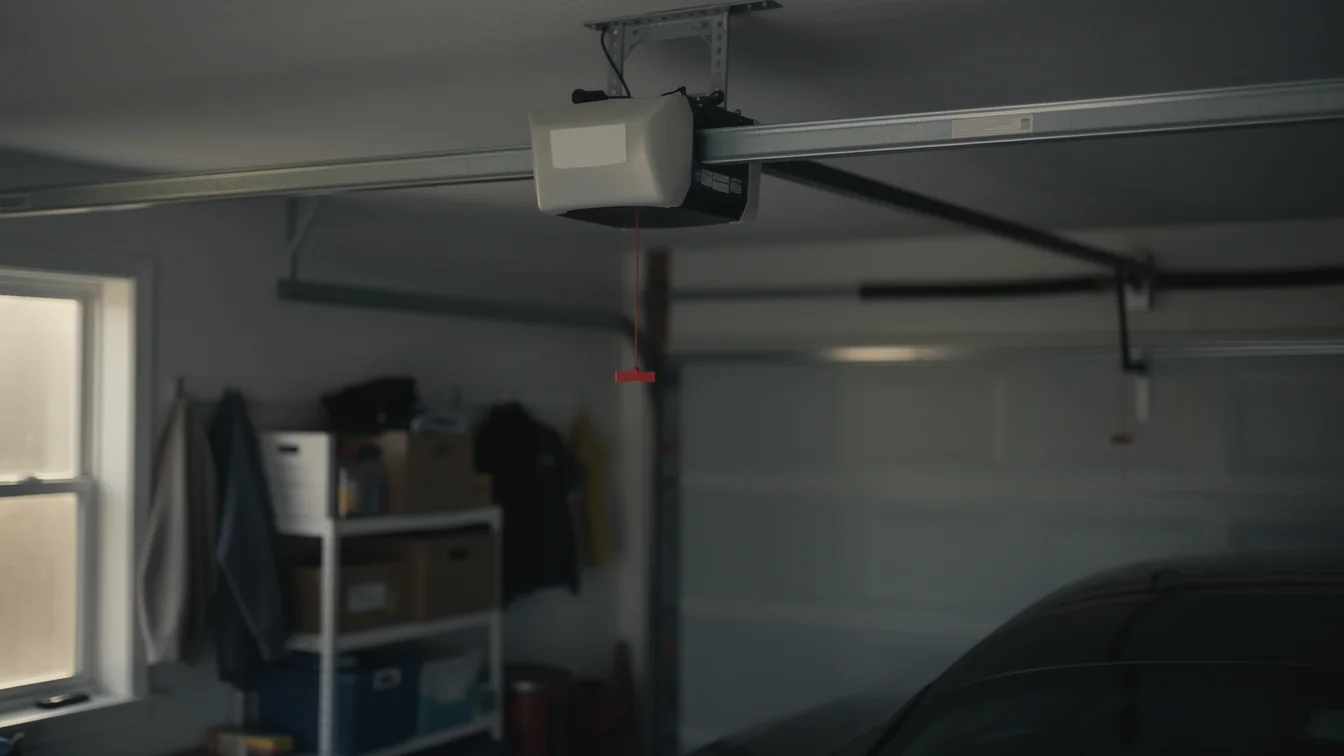
Most of the houses this company works on went up somewhere between 1962 and 2005, with the median build year sitting around 1977. That's a long run of construction, and it means the openers bolted to the ceiling in these garages span four or five generations of hardware - from chain-drive units installed when the house was framed to newer screw-drive or belt units swapped in decades later. A lot of those original units never got upgraded wiring or a dedicated circuit, which matters the moment the power drops.
The climate here sits in the mild temperate band, which is a mixed blessing for an opener's circuit board. You're not getting the deep freeze-thaw cycles that crack housings up north, and you're not baking a motor housing at 115°F either. That steadier range means the board itself usually isn't the first thing to fail from heat stress. What it doesn't protect against is a power cut - mild weather or not, the grid still drops, and when it does, the opener stops regardless of how old or new it is.
Across the roughly 71,053 owner-occupied houses in this service area, the pattern repeats: older opener, no manual release habit, and a homeowner standing in the driveway during an outage with no idea how to get the car out.
The area
If your opener has run fine for years, there's a temptation to leave it exactly as is until it dies. For a house in the 1977-median build era, that's a reasonable bet right up until the day the power goes out and the door won't budge because nobody's ever pulled the manual release cord. That's not a mechanical failure - it's a $0 fix that nobody tried because they didn't know it was there.
We don't push replacement on an opener that's working. If the motor runs, the gears aren't stripped, and the safety sensors still trip, there's no reason to swap it out just because it's old. The honest limitation here: we can't tell you how long a specific unit will last, and we won't guess a number we don't have. What we can tell you is that in houses from this era, the opener is often original or close to it, and the release mechanism is the one part everyone forgets exists until the lights go out.
What we find
When the power cuts out, the opener's motor has nothing to draw from - simple as that. The door itself hasn't failed; the system that lifts it has gone dark. In a house built before modern openers were standard, there's a decent chance the unit predates any kind of backup power feature altogether, which means a power cut is a full stop, not a slowdown.
Across the 255,566 households in this service area, median income runs $64,667, and that number matters here because it shapes the real decision: repair an aging opener piece by piece, or replace the whole unit once it's clearly past useful life. Neither choice is wrong, but an opener from the 1960s-70s stock that's already had a motor replaced, a logic board replaced, and a sensor replaced is telling you something. At some point the parts cost more than starting over.
How we work
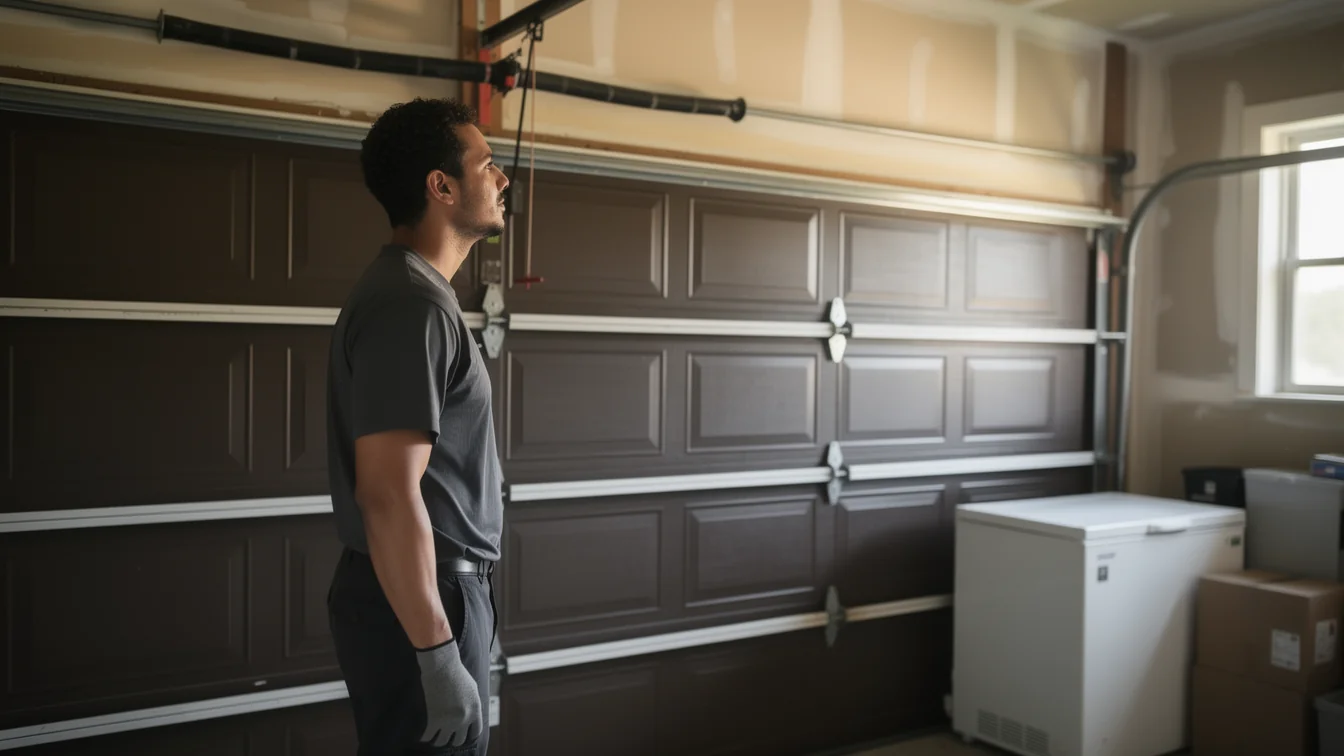
Before you call anyone, find the manual release cord - it's the red handle hanging near the top of the door on the trolley track. Pull it straight down and the door disengages from the opener, letting you lift it by hand. Every opener has one; most people in this area have never touched theirs.
Next, check whether the outage is just the garage circuit or the whole house. A tripped breaker on a dedicated garage outlet looks identical to a real grid outage from the opener's point of view, and it's a two-minute fix at the panel instead of a service call.
If the door lifts easily by hand once released, the opener is the problem, not the door - springs and cables are doing their job. If it's heavy or uneven to lift by hand, that's a spring or cable issue hiding behind what looked like a power problem, and that's worth a call regardless of what the grid is doing.
Questions
Probably not. Pull the red manual release cord hanging from the trolley track and try lifting the door by hand. If it lifts smoothly, the opener lost power and the door itself is fine. If it's heavy or uneven, you likely have a spring or cable issue separate from the outage.
Not automatically. If it still runs the motor, shifts gears cleanly, and the safety sensors work, there's no reason to replace a working unit. Many houses in this area still run openers original to a 1960s-70s build with no trouble.
Not especially. This area sits in a mild temperate band, so openers here aren't fighting the extreme heat or cold swings that stress circuit boards in harsher climates. Age and usage wear parts down faster than temperature does here.
Recommendation
More garage door guides for Pompano Beach homeowners.
A guide for Pompano Beach homeowners on garage door noises, tied to the area's 1960s-70s housing stock and mild climate, with what to check before calling for a repair.
Read more
A real look at what we check, fix, and explain on a Pompano Beach garage door call, tied to the age of local housing stock and the area's mild, no-freeze climate.
Read more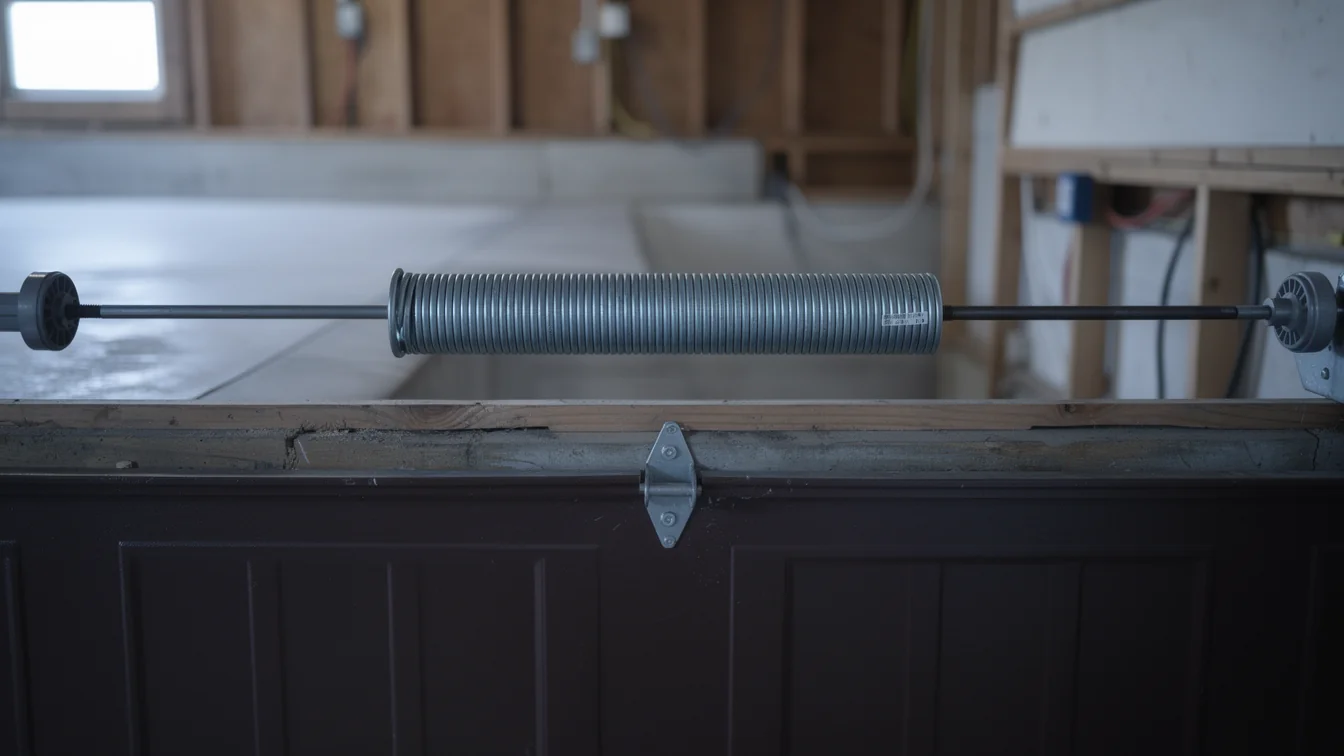
Pompano Beach homes built mostly 1962-2005 carry springs rated for a climate that never gets true cold.
Read moreReady when you are
Pompano Beach Garage Door Pros repairs and installs garage doors, springs and openers in Pompano Beach, FL and the surrounding area.