
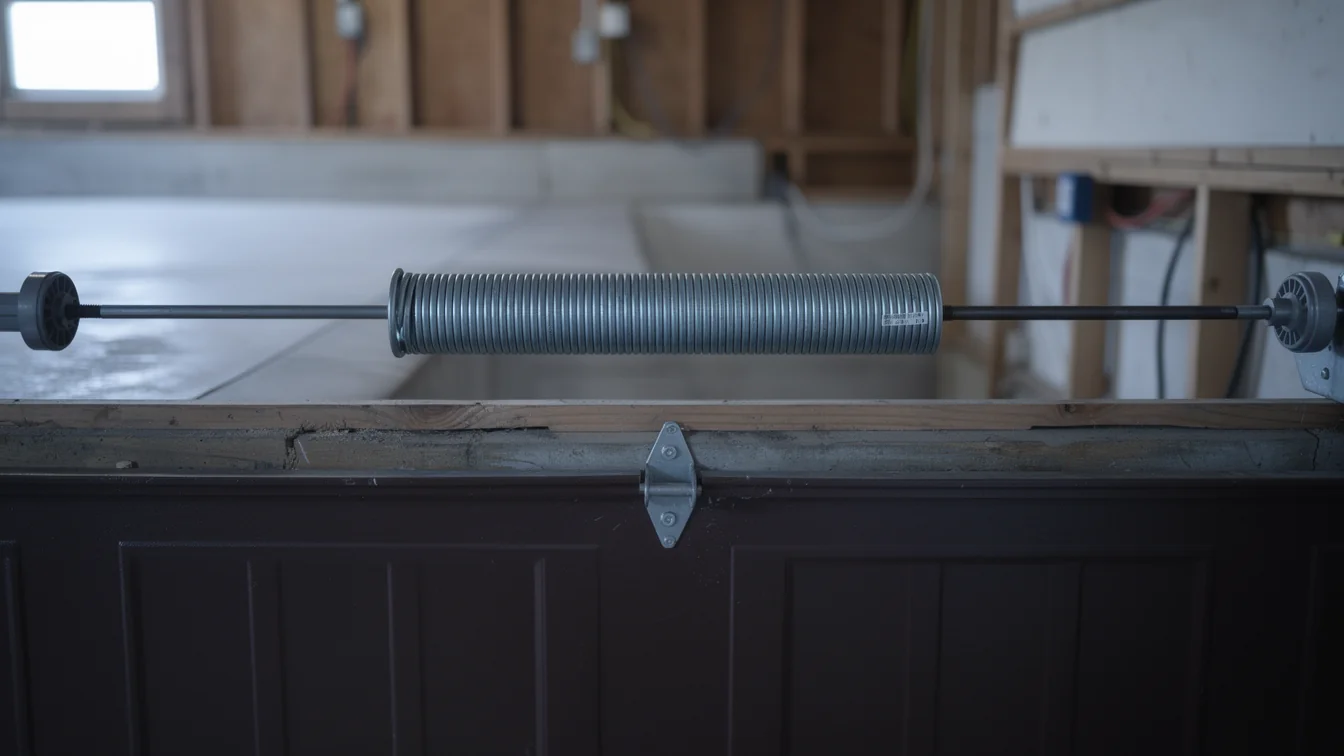
Why Springs Fail Here, and Why Cold Weather Isn't the Reason
Pompano Beach homes built mostly 1962-2005 carry springs rated for a climate that never gets true cold.
Read moreBlogPompano Beach, FL · 4 min read
Houses here mostly date from 1962 to 2005, and the mild coastal climate still finds ways to knock a track out of line. Here's what actually causes it.
Local detail
Most of the housing stock in this service area went up between 1962 and 2005, with a lot of it clustered in the 1960s and 70s across the 21 named areas we work in. That matters because track alignment depends on the bracket and wall anchoring done when the house was built, and builders from that era used hardware that has had five or six decades to shift, settle, or just fatigue. A track that was true in 1975 isn't guaranteed to be true now, even without a dramatic event to blame.
The climate band here is mild temperate, which sounds like it should be easy on a garage door compared to places with hard freezes or heavy snow load. In some ways it is - you're not dealing with ice buildup jamming a track. But a stable, humid climate that never forces a hard seasonal reset also means small problems don't announce themselves the way they do up north. A slightly bent track stays slightly bent indefinitely instead of getting flagged by a freeze-thaw cycle. It just quietly gets worse.
The area
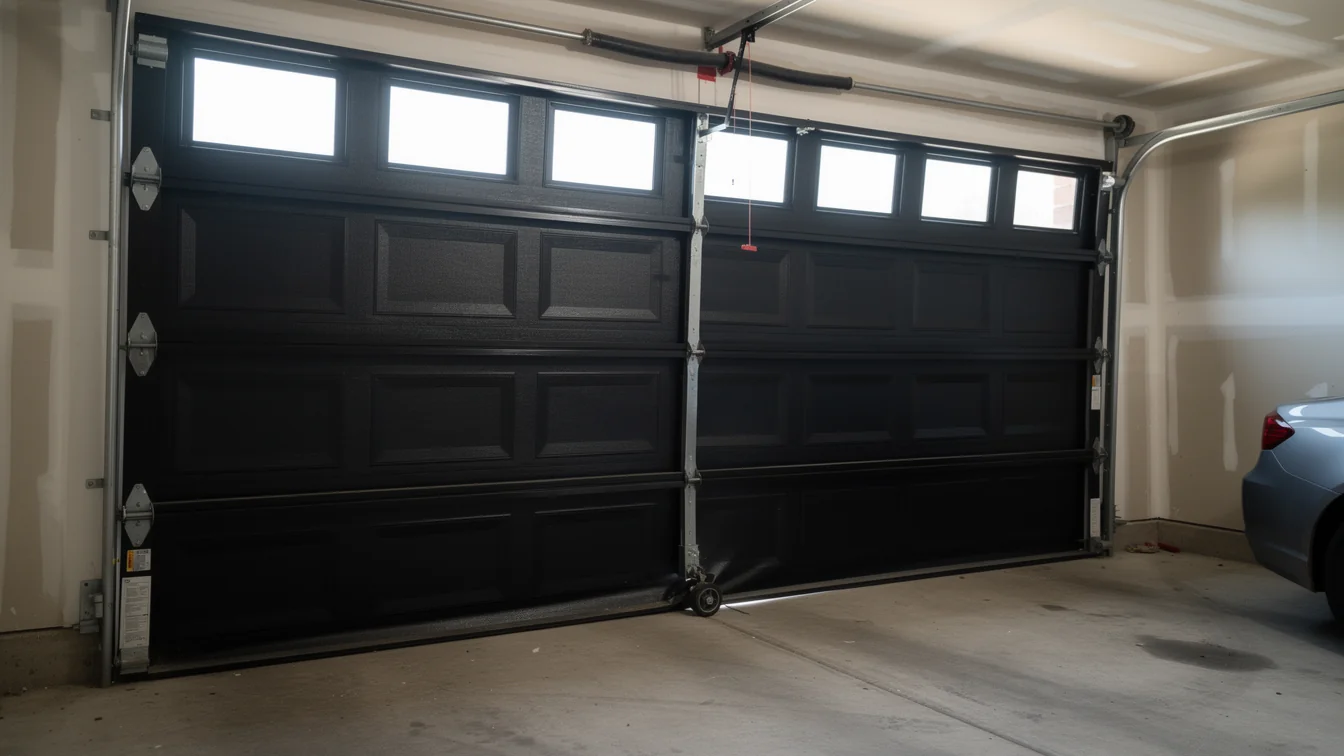
A door that's a little off track doesn't always jump straight to failure, and that's the trap. On a lot of the 1960s and 70s-built houses in this area, the vertical tracks were set with bracket spacing that was standard for the time but leaves less room for error than current hardware. A quarter-inch of drift at the bottom bracket can turn into a roller riding the edge of the track rather than inside it, and once that starts, every open-and-close cycle wears the edge a little more.
We're not going to tell you every noise means imminent collapse - most don't. But a door that scrapes, hesitates, or closes unevenly on one side is telling you something about the track, not just the opener. Ignoring it long enough usually turns a bracket adjustment into a track replacement, and on older houses where the wall framing behind the bracket has its own decades of settling, that job takes longer than it would on a newer build.
What we find
Three things tend to be behind it on houses of this vintage. First, bent track - usually from the door being forced open or closed while something was obstructing it, or from a bracket working loose at the wall over the years. Second, worn rollers that no longer sit flush in the track channel, which is common on doors original to a house built decades back and never upgraded. Third, a bracket that's simply pulled away from the framing, which happens more often on older stud spacing than on newer construction.
The mild climate here doesn't cause rust the way a harsher, wetter environment might, so corrosion is rarely the root cause we find. It's almost always mechanical - metal fatigue, a loose fastener, or age-appropriate wear on parts that have been doing the same job since the house was built. None of that is a mystery once we're looking at the actual bracket and track, but it's not something you can diagnose from the sound alone.
How we work
Stand inside the garage with the door down and look at both vertical tracks where they meet the floor. If one side has visibly more gap between the roller and the track wall than the other, that's your first clue. Next, check the brackets bolting the track to the framing - on older houses in this area, wiggle test them by hand. Any movement means the bracket is no longer doing its job, even if the door still opens.
We'll say plainly what we won't do: we don't recommend trying to re-bend a track back into place yourself. It's spring-loaded sheet metal under tension, and a track that looks fixed can still fail on the next cycle. If the gap is more than a credit card's width, or a bracket moves when you touch it, that's a call, not a DIY afternoon.
Questions
Not usually, but don't keep running it. A door riding the edge of a bent track can jump the track entirely and come down unevenly, which is a safety issue and a bigger repair. If it's still moving but scraping or hesitating, stop using the opener and have it looked at before it gets worse.
Not directly in our experience. The mild temperate climate in this area doesn't produce the rust and corrosion issues that heavier, wetter climates do. Most off-track problems we see on local houses come down to mechanical wear or a loose bracket, not weather damage to the metal itself.
We don't recommend it. The track is holding a spring-loaded door under real tension, and forcing it back into place without the right tools can bend it further or let the door drop unexpectedly. It's a quick job for someone who does it daily, but a risky one otherwise.
A lot of the housing in this service area dates from the 1960s and 70s, and the track brackets from that era have had decades to work loose or fatigue. Newer construction uses hardware with a bit more tolerance built in, so older houses tend to show track issues sooner.
Recommendation
More garage door guides for Pompano Beach homeowners.
Pompano Beach homes built mostly 1962-2005 carry springs rated for a climate that never gets true cold.
Read more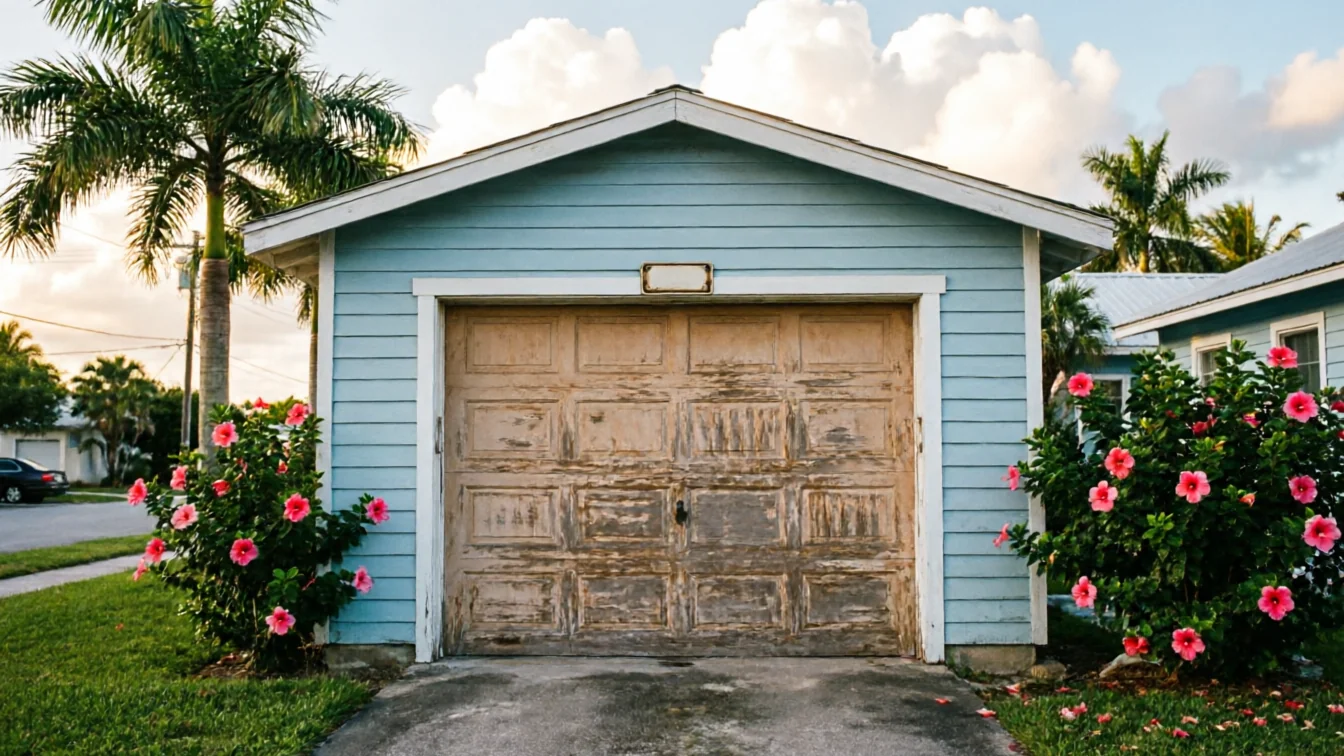
Pompano Beach homes mostly date to the 1960s-70s boom years, with median construction around 1977.
Read more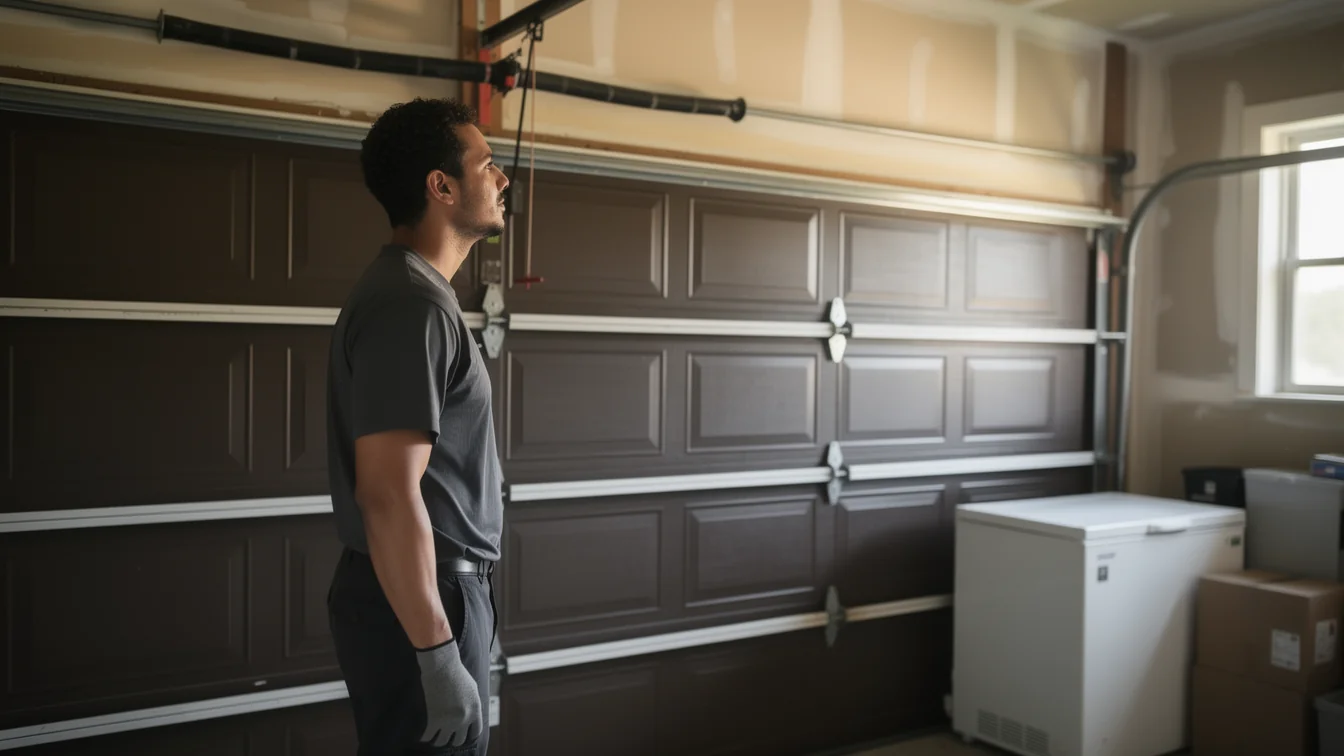
A guide for Pompano Beach homeowners on garage door noises, tied to the area's 1960s-70s housing stock and mild climate, with what to check before calling for a repair.
Read moreReady when you are
Pompano Beach Garage Door Pros repairs and installs garage doors, springs and openers in Pompano Beach, FL and the surrounding area.