
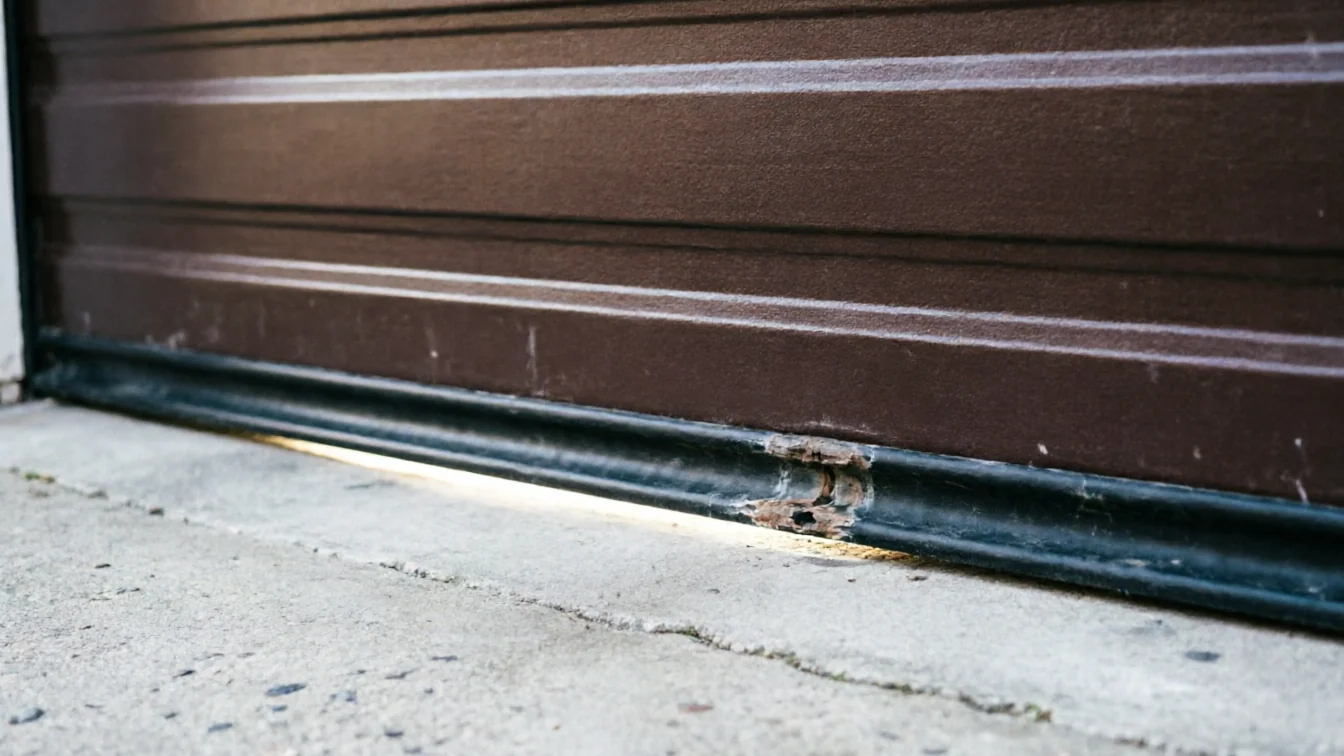
Why Weather Seals Fail Faster on Pompano Beach's Older Garages
Most Pompano Beach garages were built in the 1960s-80s boom, and weather seals have hardened in the mild coastal climate, letting draughts and humid air in.
Read moreBlogPompano Beach, FL · 4 min read
Pompano Beach homes built mostly 1962-2005 carry springs rated for a climate that never gets true cold. Here's what actually wears them out and when to call.
Local detail
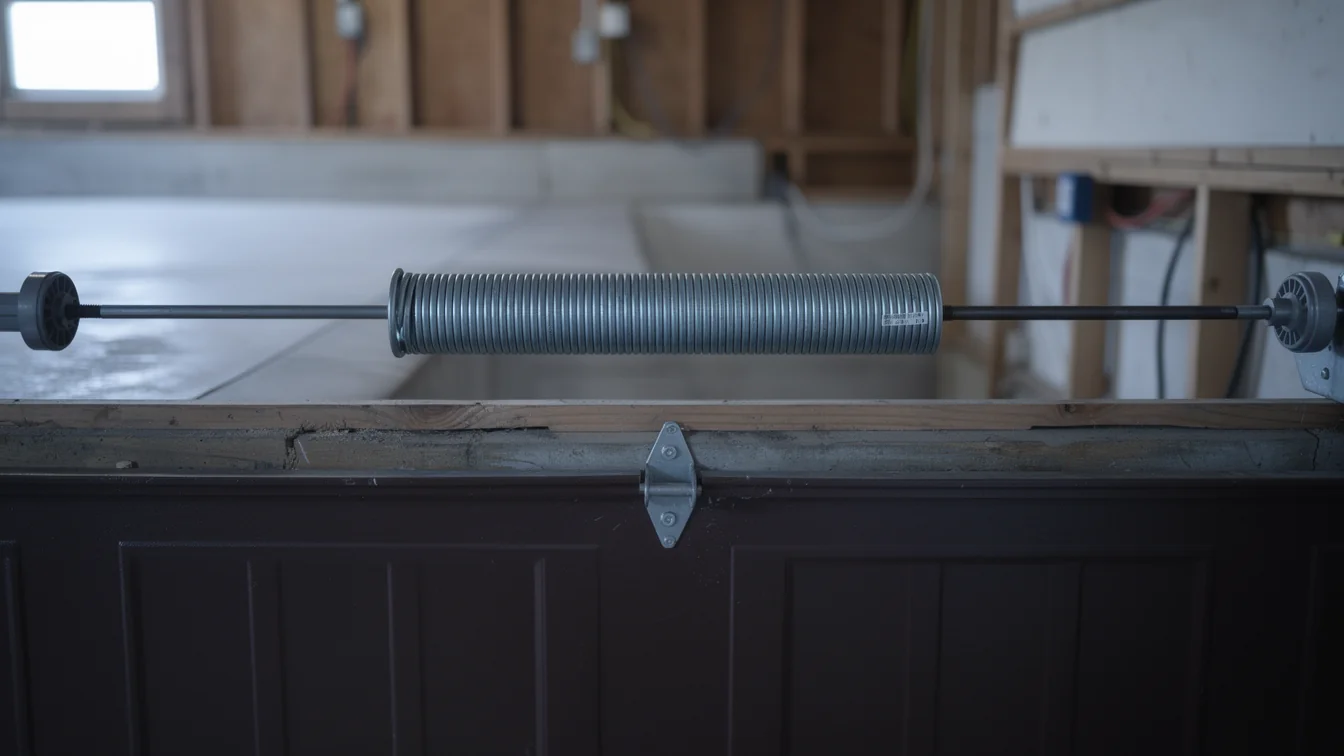
Pompano Beach sits in a mild temperate band, and most of the housing stock here went up between 1962 and 2005, with a lot of it clustered in that 1960s-70s wave across the 21 named areas that make up this service area. That matters for springs because the usual warning you hear about garage doors - "watch for a spring that goes in cold weather" - doesn't really apply here. This isn't a place where the steel contracts hard overnight and snaps a spring at 6 a.m. in January. What actually happens to a torsion spring in a house like this is slower and less dramatic: years of humidity swings, salt-laden air moving inland, and heat that never really lets the garage cool down. A spring built in the mid-70s for a door half the weight of what's sold today was never sized for 50 years of that cycle. So when a spring finally lets go here, it's not a cold snap doing it. It's decades of a different kind of wear, on hardware that was already due.
The area
A lot of owners in houses from this 1962-2005 window leave the original spring in place because the door still opens and closes fine right up until it doesn't. The problem with waiting is that a torsion spring doesn't usually give you a warning squeak for weeks - it holds tension until one coil fatigues past its limit, and then it's done, often with the door stuck half-open or slammed down hard enough to crack a panel or bend a track. In a house built in the 1970s, you're also dealing with hardware that may have been replaced once already by a previous owner, which means you genuinely don't know the spring's age or rating. Leaving it alone isn't a cost-free choice. It just moves the cost to a day you didn't pick, usually with a car stuck inside or outside the garage.
What we find
In a mild temperate climate like this one, the mechanism that wears a spring isn't thermal shock, it's fatigue from cycle count combined with the kind of corrosion you get from humid coastal air working on the spring's coating over the better part of 40 to 60 years, depending on when the house was built. A spring rated for roughly 10,000 cycles doesn't care whether the garage saw a cold front - it cares how many times the door has gone up and down, and whether the coating protecting the wire held up to the air it's been sitting in. For houses in this area dating to the 1962-2005 range, that's a lot of open-close cycles already banked, plus salt air that a drier inland climate wouldn't have put on the hardware. That combination is what actually takes a spring out, not a cold morning.
How we work
Look at the spring itself, not the weather forecast. A gap opening up between coils when the door is down, visible rust or pitting on the wire, or a door that feels heavier to lift by hand than it used to are the real signs, and all three show up more on original hardware from the 1960s-70s stock that's common across this area. If your spring still looks tight and uniform with no rust, it may have some life left regardless of its age. One limitation worth being honest about: we can't tell you a spring's exact remaining life from a visual check alone, and replacement is a two-spring job on most double doors even if only one side looks bad, because mismatched springs wear unevenly. If you're not sure what you're looking at, that's a call, not a guess.
Questions
Not really. Pompano Beach sits in a mild temperate climate, so the hard overnight temperature drops that crack springs in colder regions aren't a factor here. What wears a spring out in this area is cycle fatigue and humid, salt-laden air working on the coating over decades, especially on original hardware from houses built in the 1962-2005 range.
If your house was built in the 1960s-70s wave common across this area and the hardware looks original, it's possible the spring has never been replaced. Signs like visible rust, uneven coil spacing, or a door that's noticeably heavier to lift by hand suggest it's original and past due, but a visual check only goes so far.
Usually not. Most double doors run on two springs, and replacing only the failed one leaves a mismatched pair that wears unevenly and often fails again sooner. It's a job we'd do as a pair on most double-door setups, regardless of how the second spring looks.
Recommendation
More garage door guides for Pompano Beach homeowners.
Most Pompano Beach garages were built in the 1960s-80s boom, and weather seals have hardened in the mild coastal climate, letting draughts and humid air in.
Read more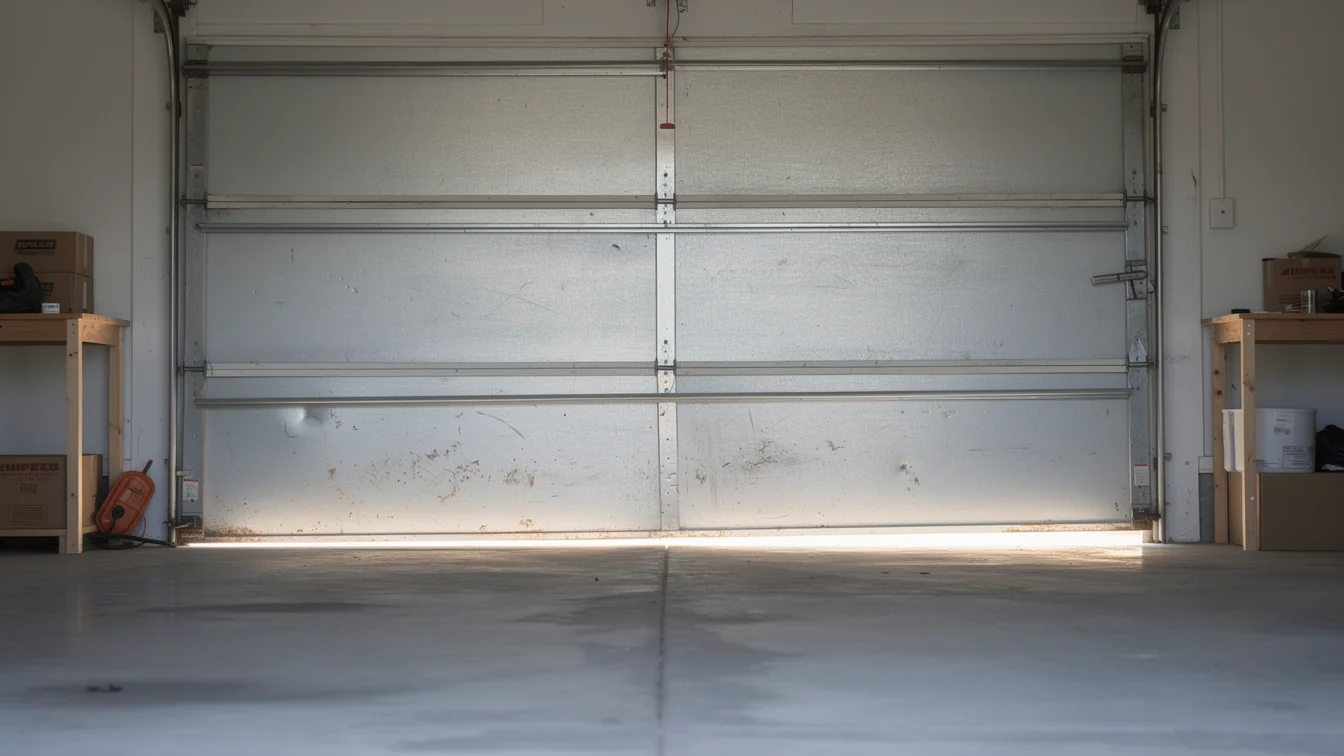
Most Pompano Beach homes went up between 1962 and 2005, median 1977, before insulation rules caught up with garage doors.
Read more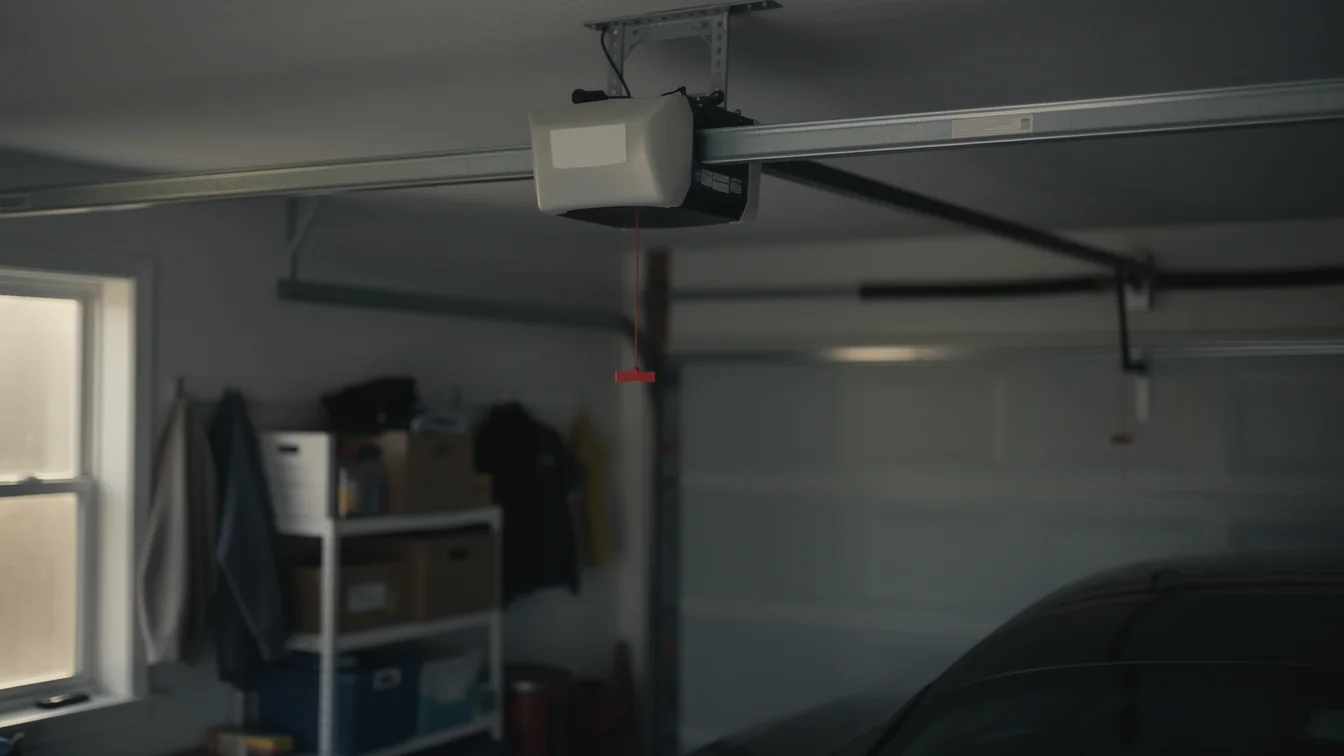
Why openers in Pompano Beach's 1962-2005 housing stock struggle with power cuts, what the mild climate does and doesn't do to them, and what to check before you call.
Read moreReady when you are
Pompano Beach Garage Door Pros repairs and installs garage doors, springs and openers in Pompano Beach, FL and the surrounding area.