
Tamarac, Pompano Beach
Garage Door Maintenance for Tamarac's Early-80s Door Stock
Tamarac homes built mostly in the early 1980s run steel sectional doors on galvanized torsion hardware now pushing 40 years old. Here's what upkeep actually looks like.
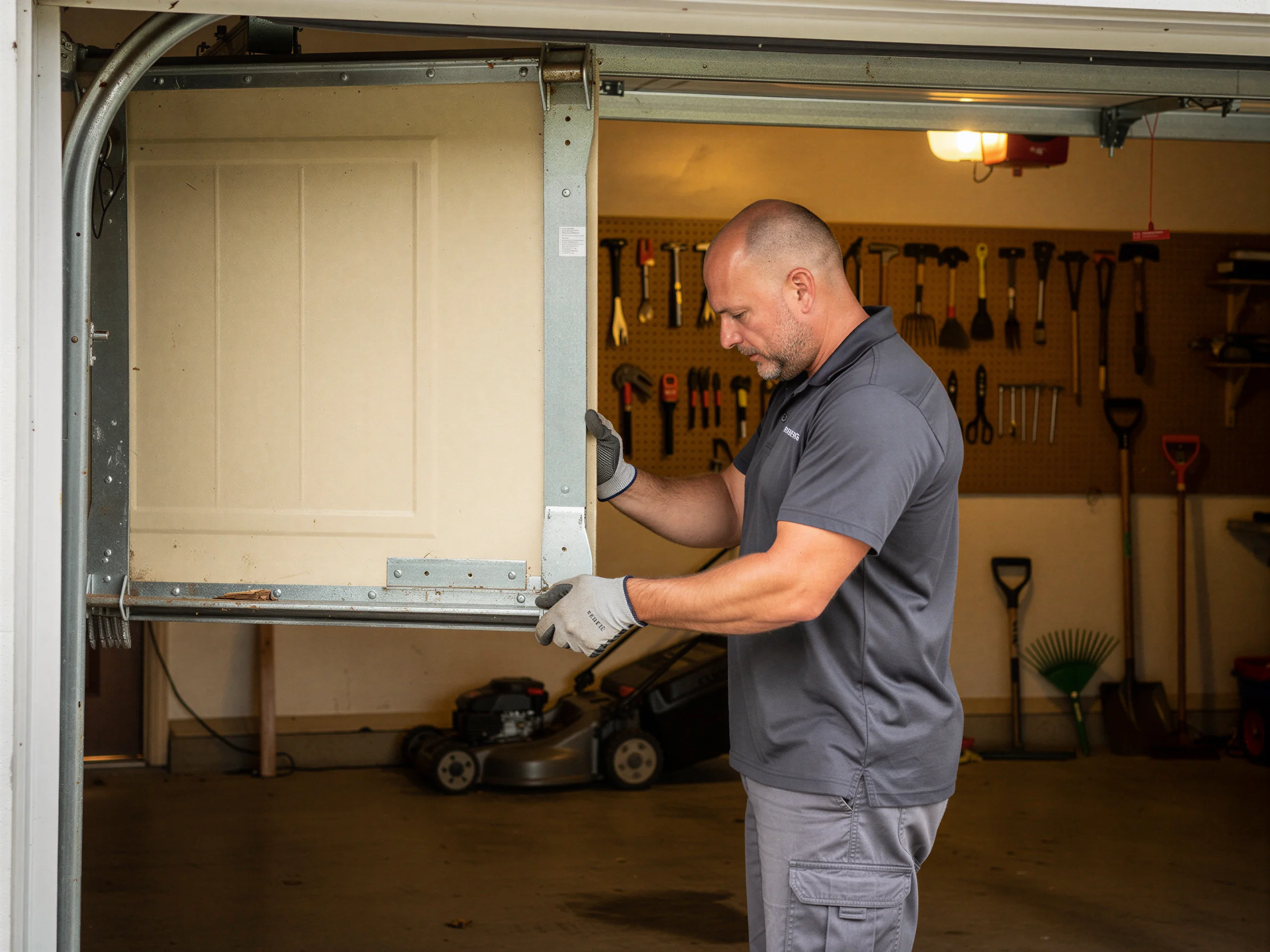
Why It Happens Here
Most garage doors in Tamarac went up around 1981, which puts them squarely in the first wave of mass-produced steel sectional doors - single-layer, non-insulated panels on galvanized torsion springs, usually a 16x7 double on the main house and sometimes a 9x7 single on an attached workshop or golf-cart bay. That hardware was built for a 15 to 20 year service life. Forty-plus years in, a lot of these doors are running original springs and rollers that have outlasted their design window twice over.
The mild, humid South Florida air doesn't rust steel outright, but it does work on anything unsealed - spring coil ends, roller stems, the bottom bracket bolts. Salt-tinged moisture off the coast settles into those joints and dries, leaving a fine crust that turns smooth metal into something that binds. A door eight miles inland from Pompano Beach still gets enough of that air movement to matter, just more slowly than a door sitting right on the water.
The other factor is simple age of the opener. Chain-drive units from the late 70s and 80s don't have the force-limiting safety reversal that's standard now, so a door that's gone stiff on its tracks can keep closing against resistance instead of backing off. That's a maintenance issue before it's ever a repair call.
What Can Go Wrong
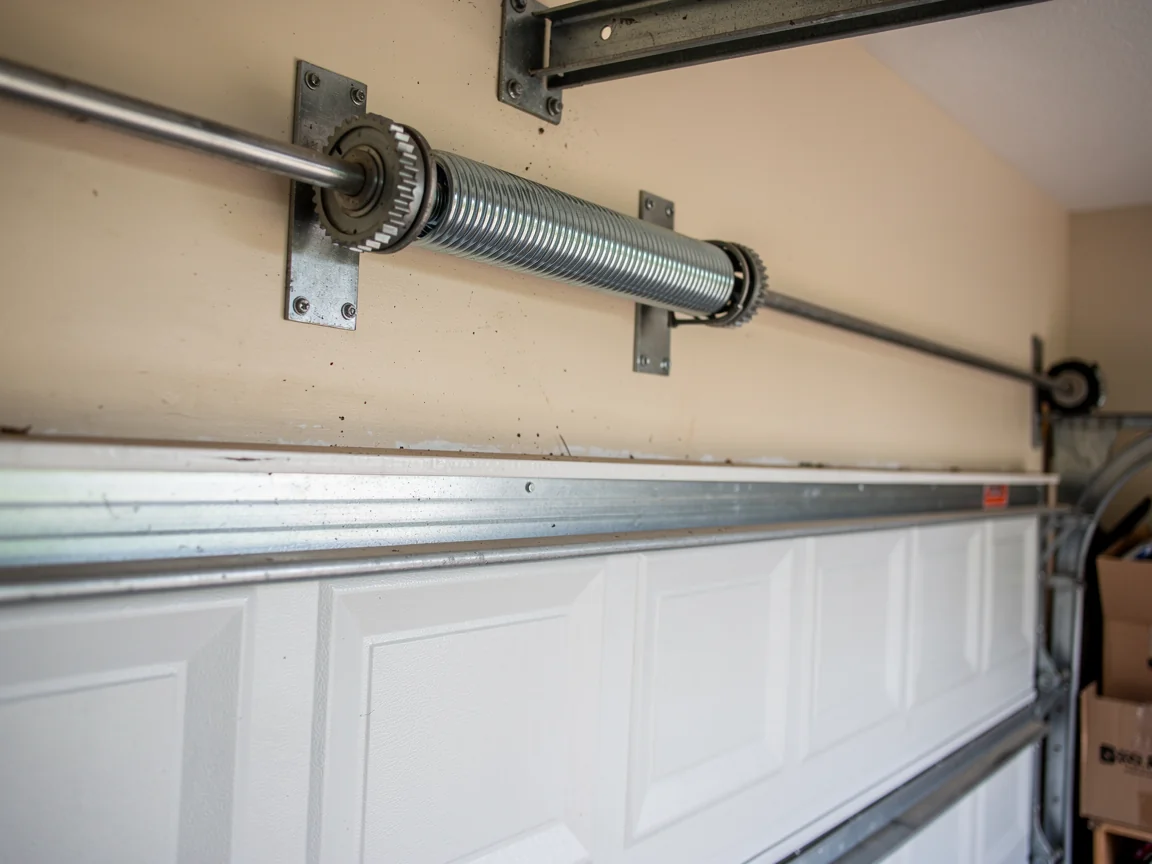
On a door this old, the failure almost always traces back to one of three things: the torsion spring losing coil tension, the rollers drying out and chipping their nylon or getting flat spots on steel, or the cables stretching enough that the door sits unevenly in the track.
Compounding maintenance failures
Any one of those on its own is a maintenance fix. Let two of them go at once and you get a door that slams the last foot of travel or won't stay up when you let go of it by hand.
Original 1981-era setups
Across the roughly 31,000 households in this part of the service area, the doors we see skew toward this same 1981-era build, so the pattern repeats house to house: original spring, original rollers, an opener that's been swapped once but the track hardware never touched.
Track settling out of plumb
Track misalignment is the other common one - decades of minor settling in a slab-on-grade house nudges the vertical tracks out of plumb by a few degrees, which is enough to make a door bind on one side and wear the roller on that side twice as fast. What doesn't usually fail first is the panel steel itself. These doors were built heavier than a lot of what's sold today, so the skin holds up fine. It's the moving parts underneath it that give out.
What It Costs
We don't post a flat number here because the spread on a 40-year-old door is wide - a straightforward lube-and-adjust visit costs a fraction of what it runs when we find a spring at the end of its cycle count and rollers that need replacing in the same trip. Household income in this part of the service area runs a median of about $59,216, noticeably below the roughly $64,667 across the wider Pompano Beach service area, and we factor that into how we talk through options: fix what's failing now, flag what's close, and let you decide on the rest rather than replacing hardware that still has life left.
The honest limitation: if a door's spring, cables, and rollers are all near end of life at once, a maintenance visit turns into a bigger repair conversation, and at that point patching one part while the others are about to go isn't always the better value. We'll tell you straight when that's the case instead of running the meter on piecemeal fixes.
What the Fix Involves
A maintenance visit on one of these doors starts with the spring - checking coil gap and tension against what a 16x7 or 9x7 door of this weight class should carry, then lubricating the coils if they're original.
Rollers inspected one by one
Rollers get pulled and inspected one at a time; anything chipped, flat-spotted, or seized on the stem gets swapped rather than lubed, since lube on a dying roller just delays the noise, not the failure.
Level checks at three points
Track alignment is checked with a level at three points up each vertical rail, since a few degrees of drift is normal after this many years and easy to correct before it chews up a new roller. Cables get a tension check and a visual pass for fraying near the drum, where years of cycling put the most wear.
Travel limit and force tuning
If the opener is original 70s or 80s chain-drive, we check that the travel limits and any manual force adjustment are set so the door doesn't fight resistance on the way down - not a full opener swap, just making sure what's there is behaving safely. We finish with a full-cycle test, open and close, listening for the grind or shudder that usually means something didn't get caught.
The Symptom
The door people call about most on this stock is a loud bang or shudder right near the top or bottom of travel - not the whole cycle, just one spot.
Flat-spotted roller hitting point
That's almost always a flat-spotted roller hitting the same point in the track every time, or a spring that's lost enough tension that the door drops the last few inches instead of settling. Either one is a maintenance catch if you call before it turns into a snapped cable.
Heavier lift from tension loss
The second most common call is a door that's gotten noticeably heavier to lift by hand, which on a 1981-era torsion system almost always means the spring has lost coil tension gradually over years, not suddenly.
Motor strain from spring loss
That's worth a check before the opener motor starts straining to compensate - motors weren't built to lift a door that's lost its spring balance, and that's how a maintenance problem turns into an opener replacement. If your door is quiet and moves evenly, it doesn't need a visit yet. We'd rather tell you that than invent a reason to come out.
Questions
Common questions
How old does a garage door have to be before it needs regular maintenance in Tamarac?
Given that most houses here were built around 1981, the doors and springs are often approaching or past 40 years old. At that age, annual checks on spring tension, rollers, and track alignment matter more than they would on a door installed in the last decade.
Does the salt air this far from the coast actually affect my garage door?
Yes, though more slowly than closer to the water. At roughly 8 miles inland, moisture still settles into spring coils and roller stems over time, drying into a fine crust that stiffens movement. It's a slower version of the same corrosion, not a different problem.
Can maintenance fix a door that bangs at one point in its travel?
Often, yes. A bang at a consistent spot usually means a flat-spotted roller or a spring losing tension near the end of its cycle. Catching that during a maintenance visit is cheaper than waiting for a cable to snap or the opener to strain against it.
Explore more
More Services in Tamarac
Garage Door Repair
Tamarac homes mostly went up around 1981, a few years newer than the service area average. Learn more →
Garage Door Service
Tamarac homes median from 1981 run steel sectional doors on extension springs from that era. Learn more →
New Door Installation
Most Tamarac homes went up in 1981 with original door hardware. Learn more →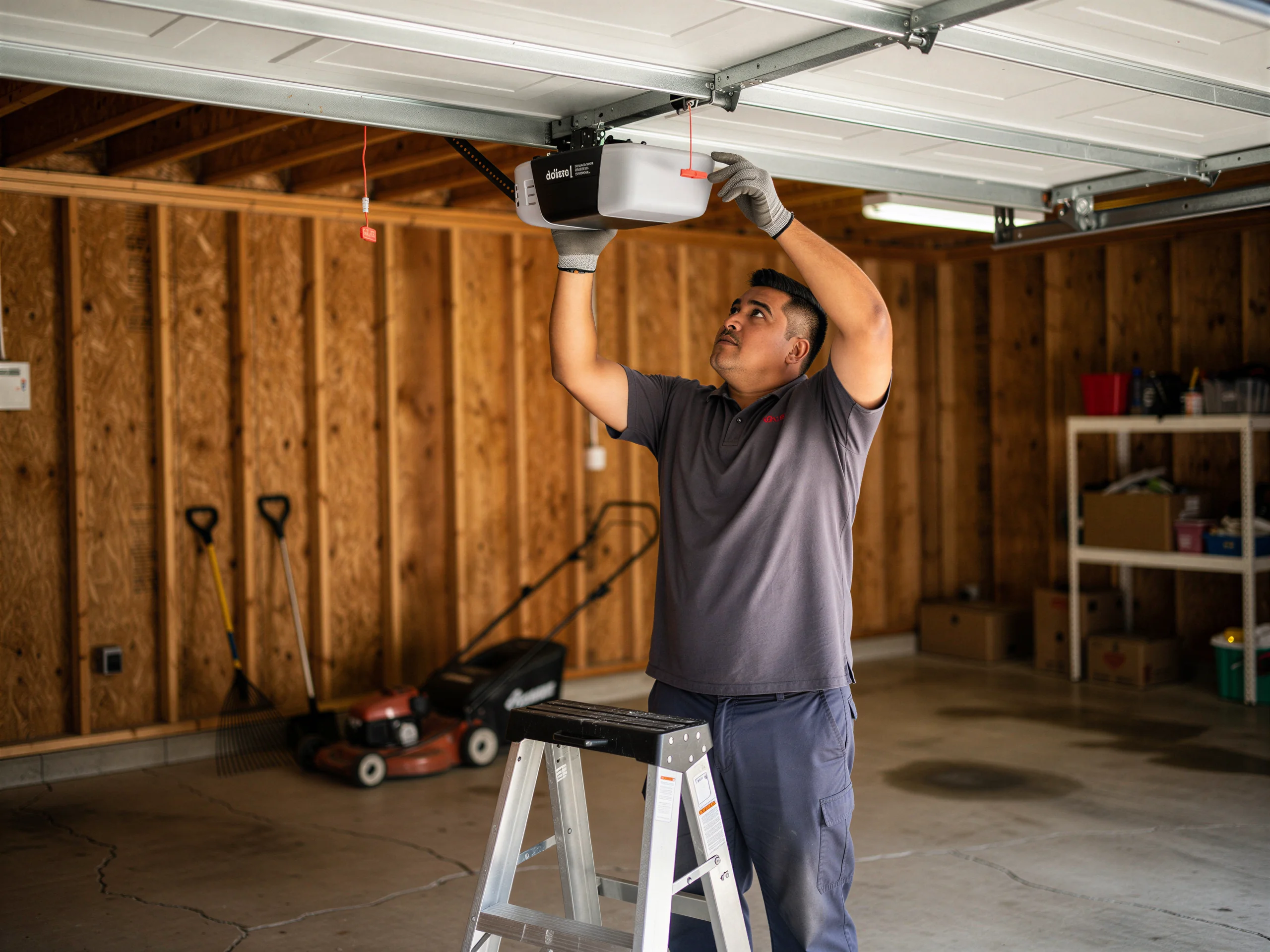
Opener Installation
Tamarac homes mostly went up in the early 1980s, which means openers near the end of their life and hardware patterns our Pompano Beach crew sees often on this run. Learn more →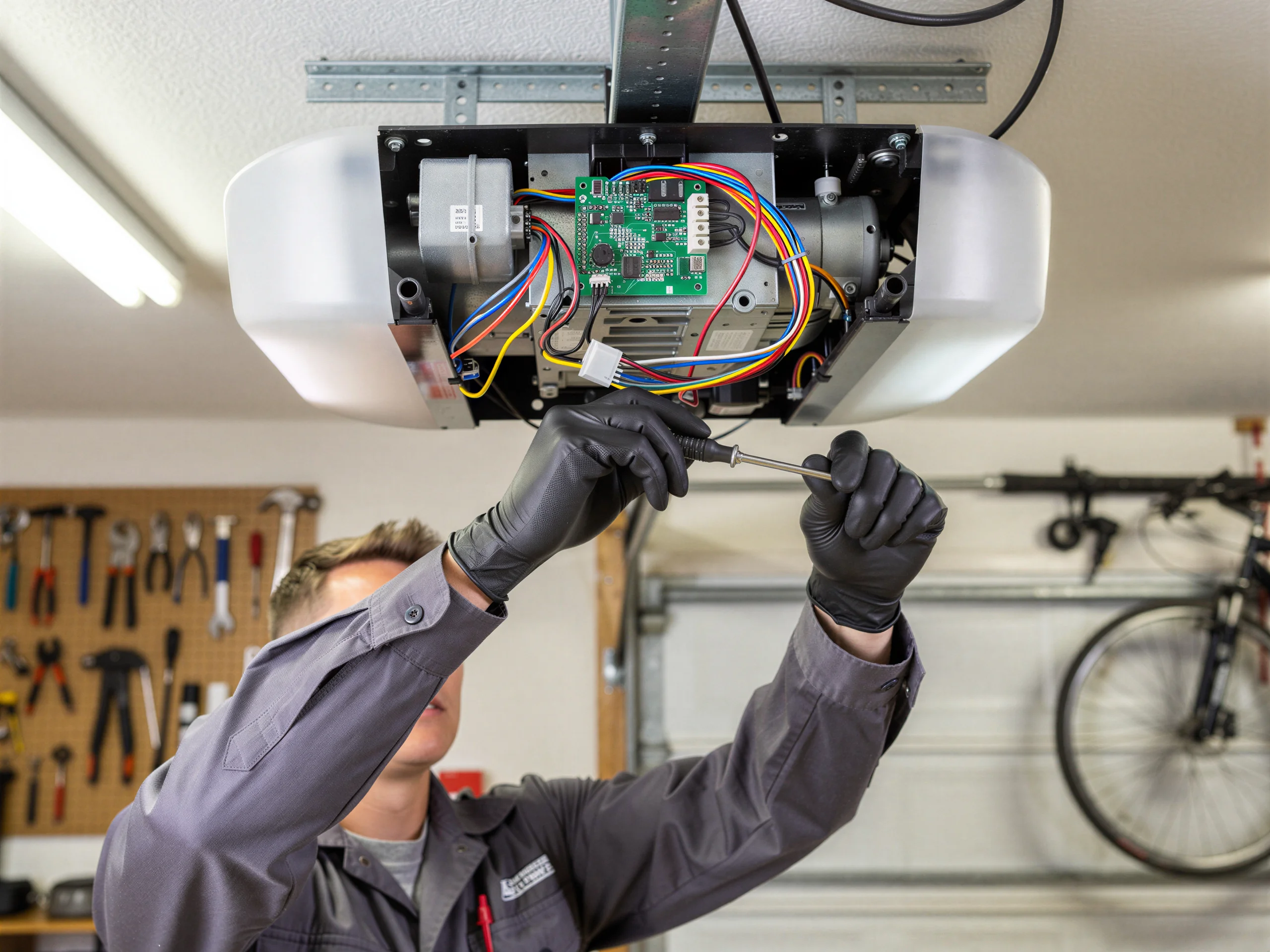
Opener Repair
Opener repair for Tamarac homes, built mostly in the early 1980s. Learn more →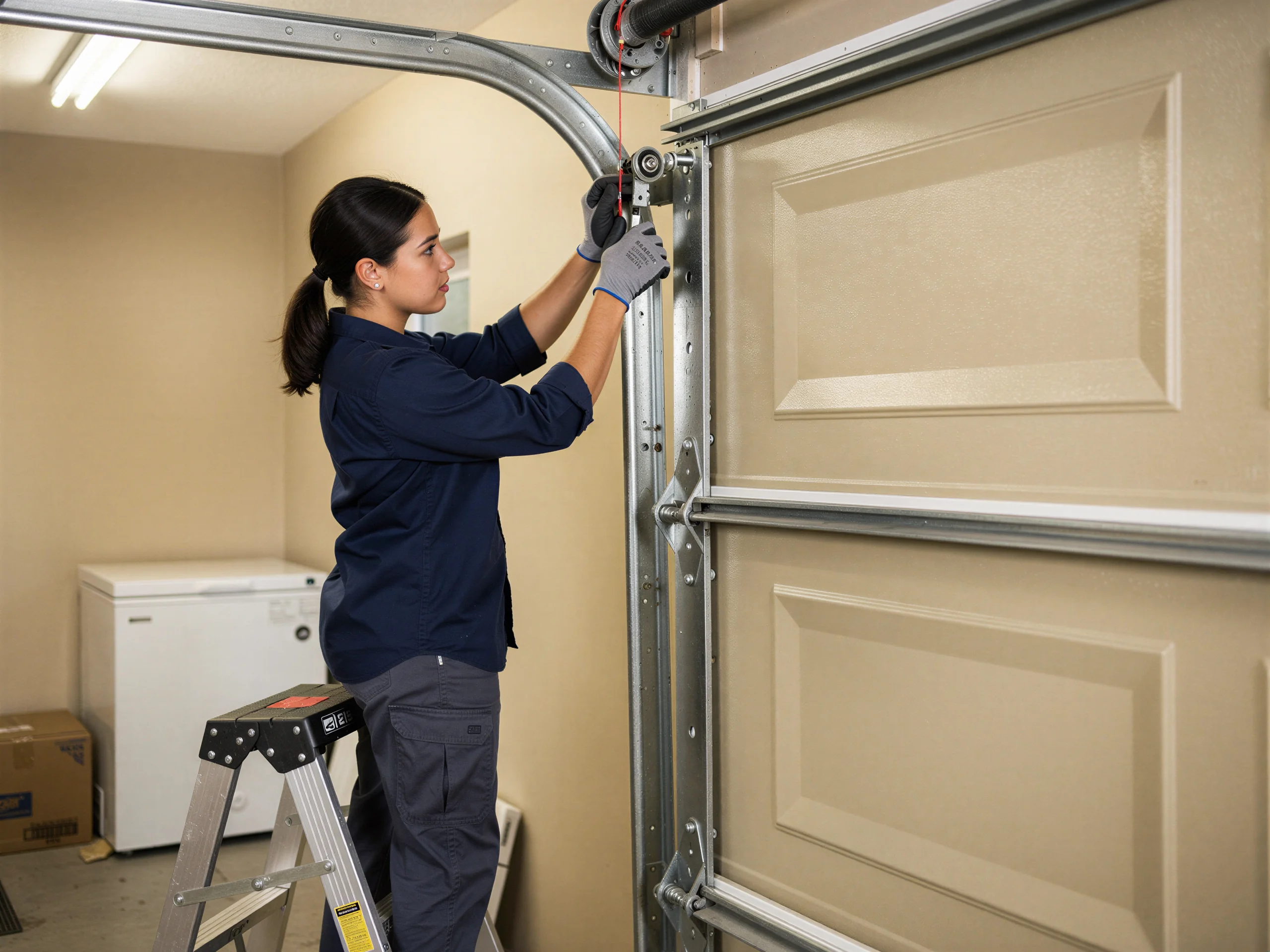
Roller Replacement
Roller replacement for Tamarac's 31,115 households, built mostly in the early 1980s. Learn more →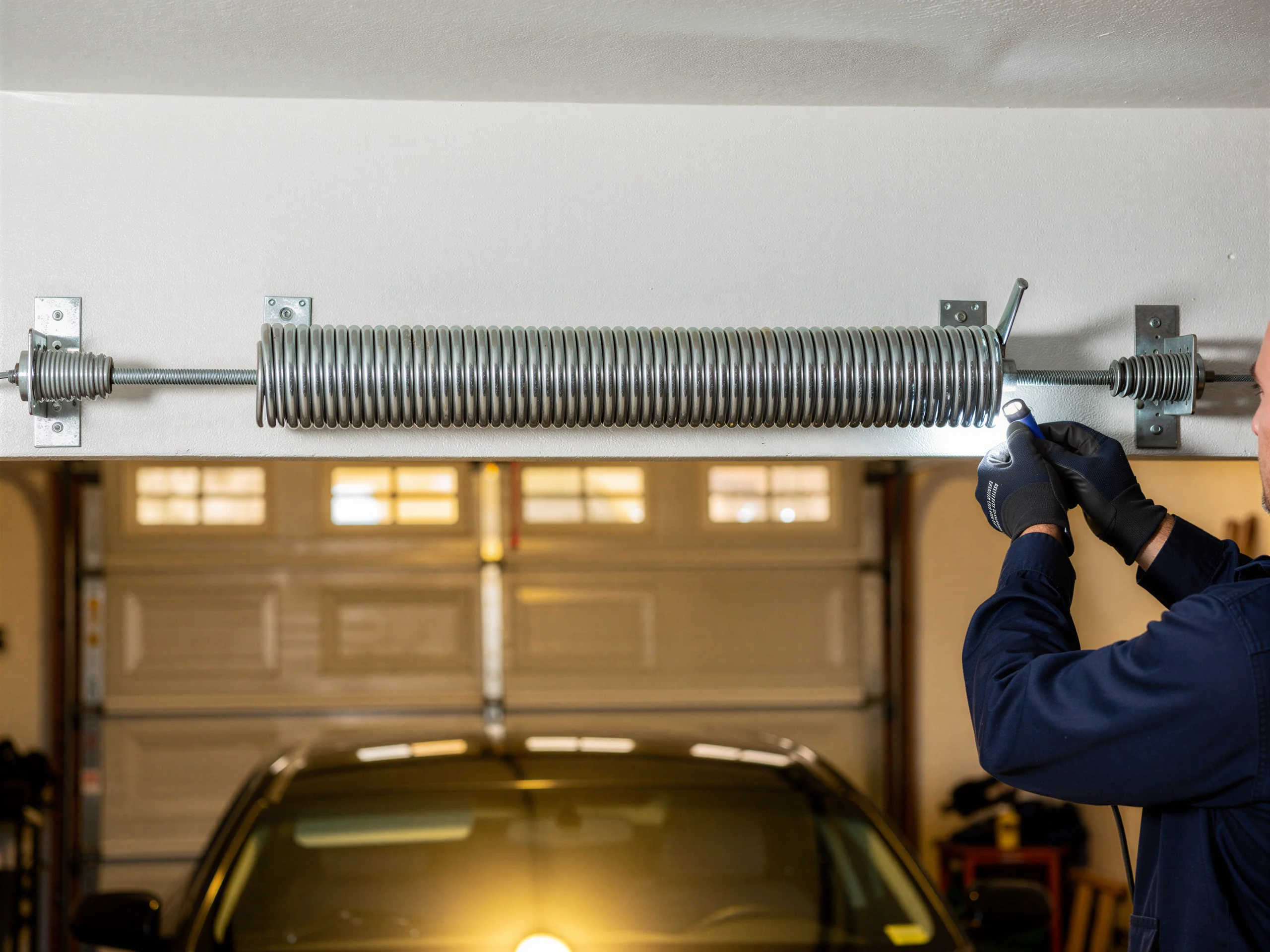
Spring Repair
Tamarac homes median around 1981 and median income $59,216 change the repair math on broken torsion springs. Learn more →Ready when you are
Time for a garage door tune-up in Tamarac?
Pompano Beach Garage Door Pros repairs and installs garage doors, springs and openers in Pompano Beach, FL and the surrounding area.